PFM masterbatch
Supply PFM hydrophobic starch masterbatch; grade and composition follow product documents.
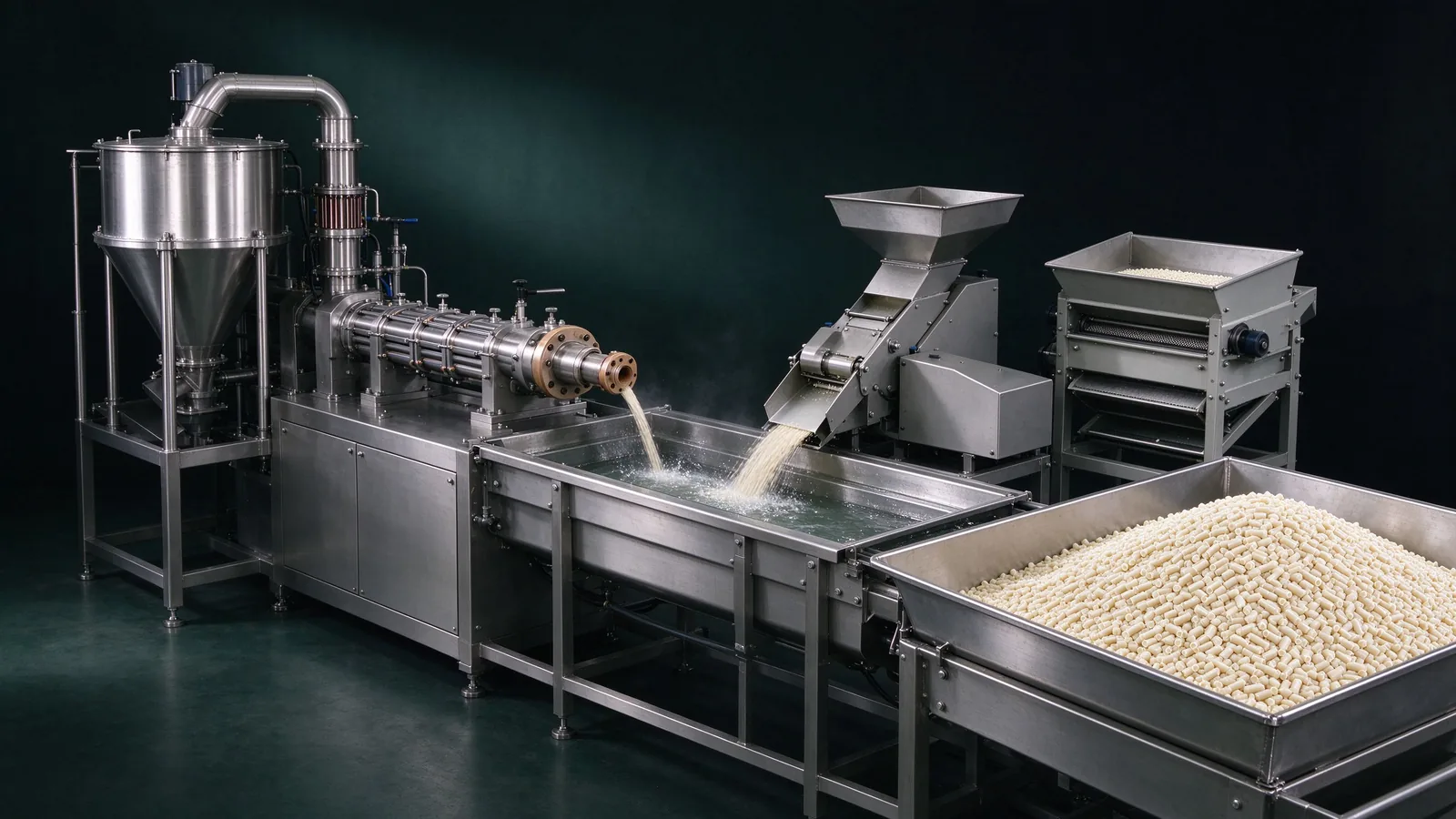
Starting from plant starch, modification, compounding, and pelletizing form a material system for industrial processing.
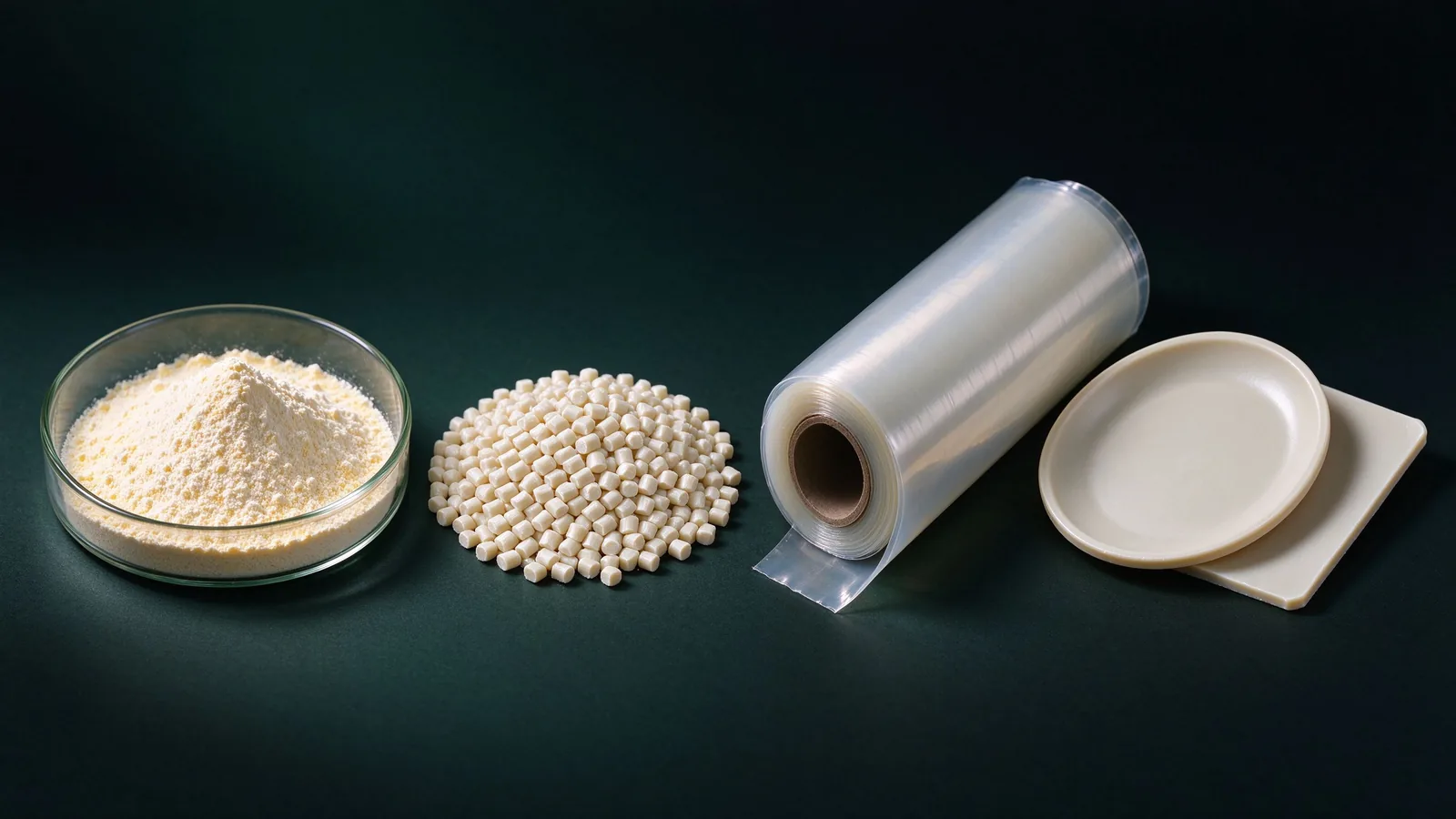
The material, application, and technical support are discussed together around the target product.
Supply PFM hydrophobic starch masterbatch; grade and composition follow product documents.
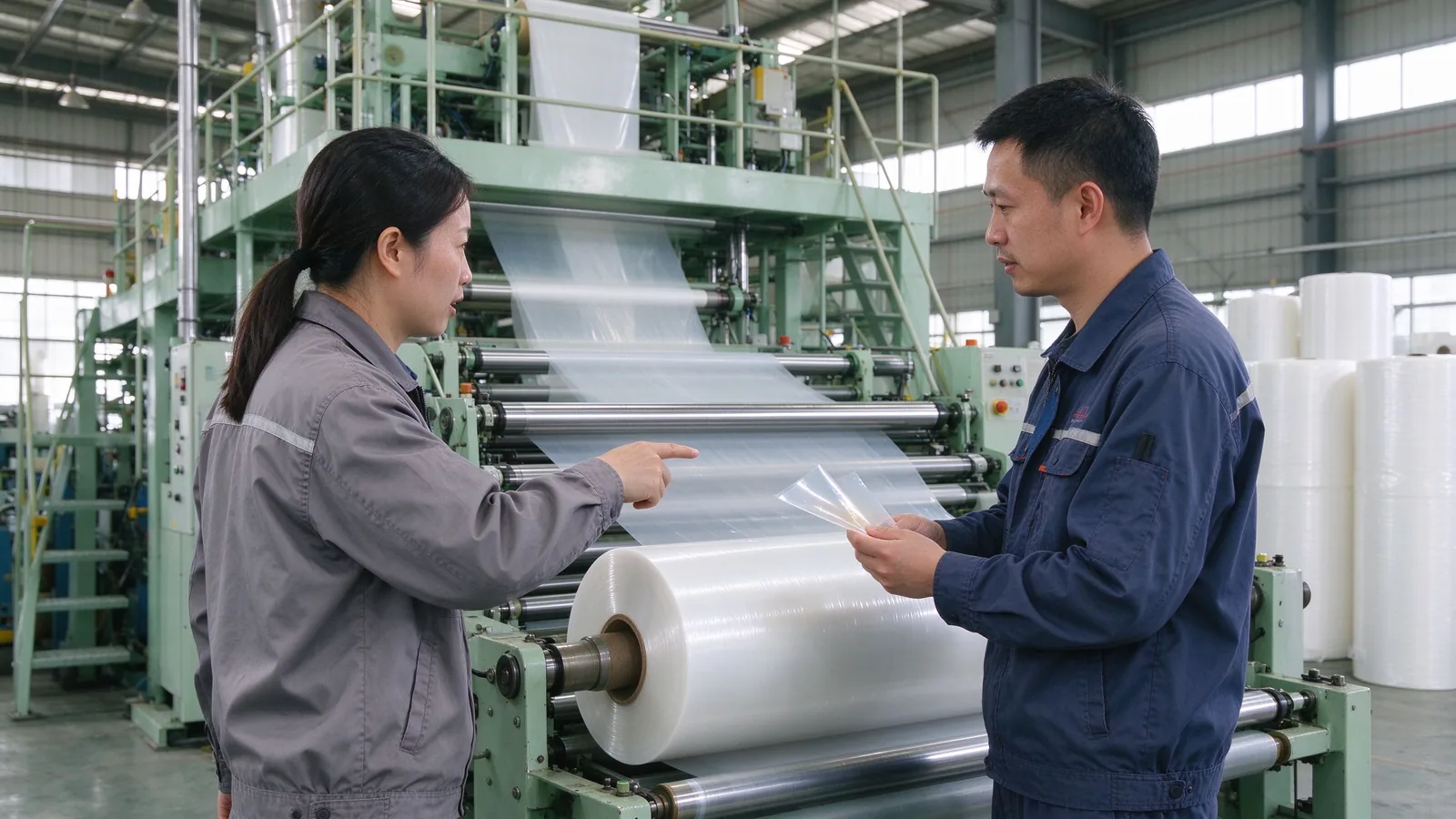
Blown film, coating, injection molding, extrusion, and plant-fiber composite directions.
Formulation development, sample trials, processing adjustments and process adaptation.
01 · Understand the material
Native starch absorbs moisture and cannot enter stable production through simple addition alone. Modification, formulation, and processing conditions must be tested together.
02 · Choose what you need
Request product specifications, processing guides and test documents. Share your application, process and required properties.
Provided for the relevant product and application
Confirmed against equipment, film specification, and target cycle
Material storage, processing parameters and sample-trial guidance
Company activities, technical focus, and ways to collaborate
03 · Compounding and processing
04 · Material and water
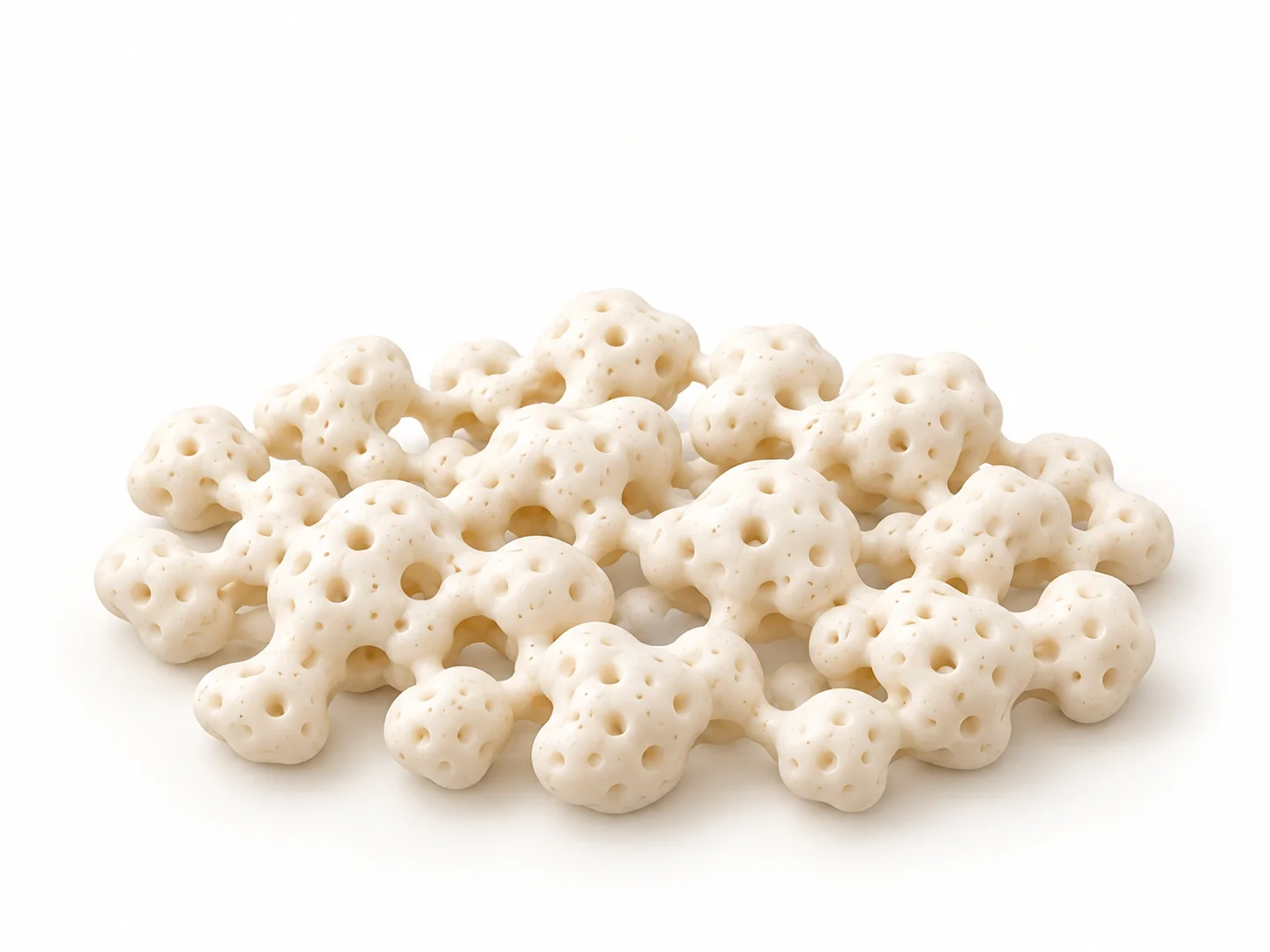
Water enters the open structure
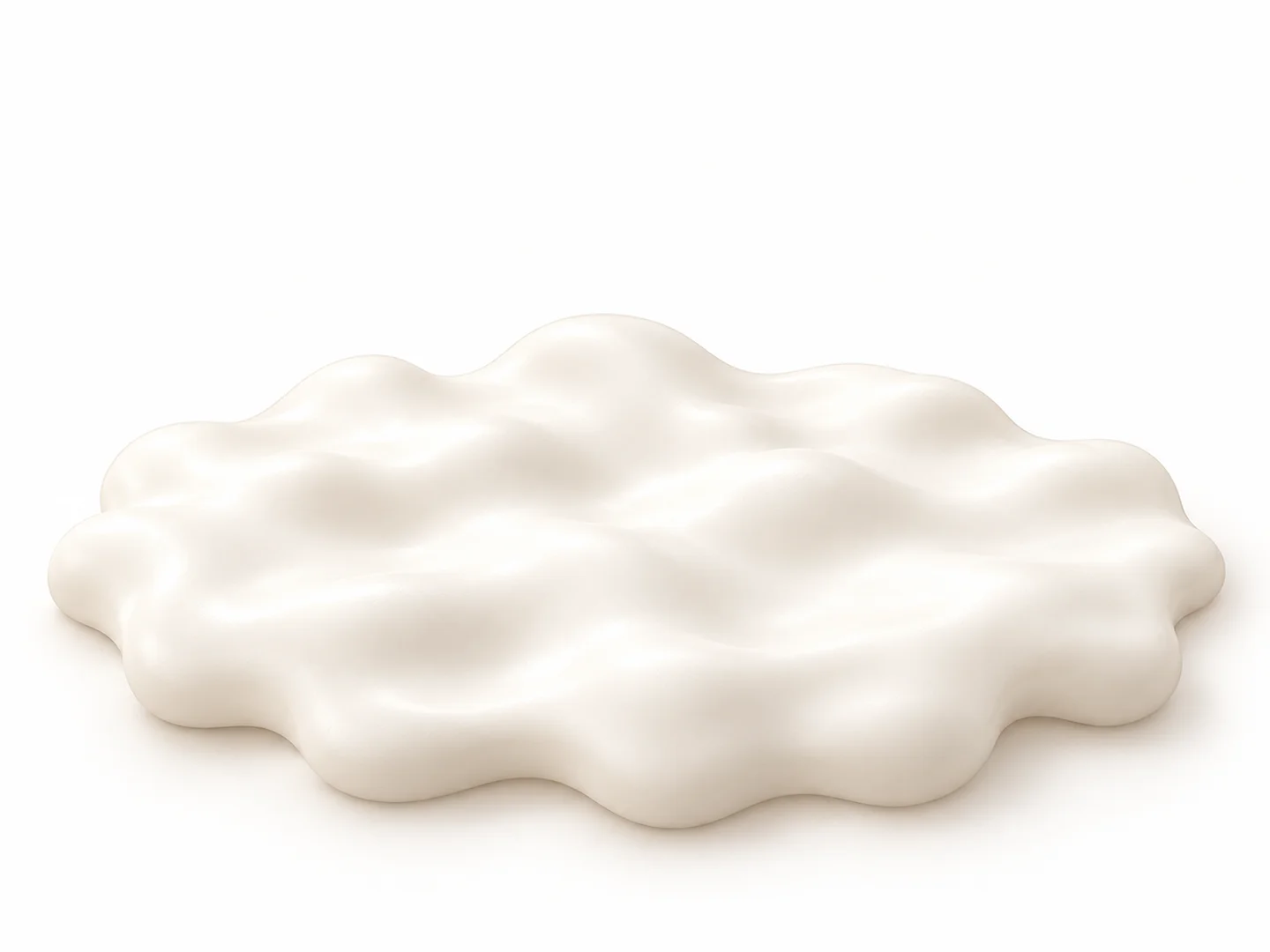
Water contacts the surface
05 · Patents and testing
Browse the document overviews below, or open the full images for a closer look.
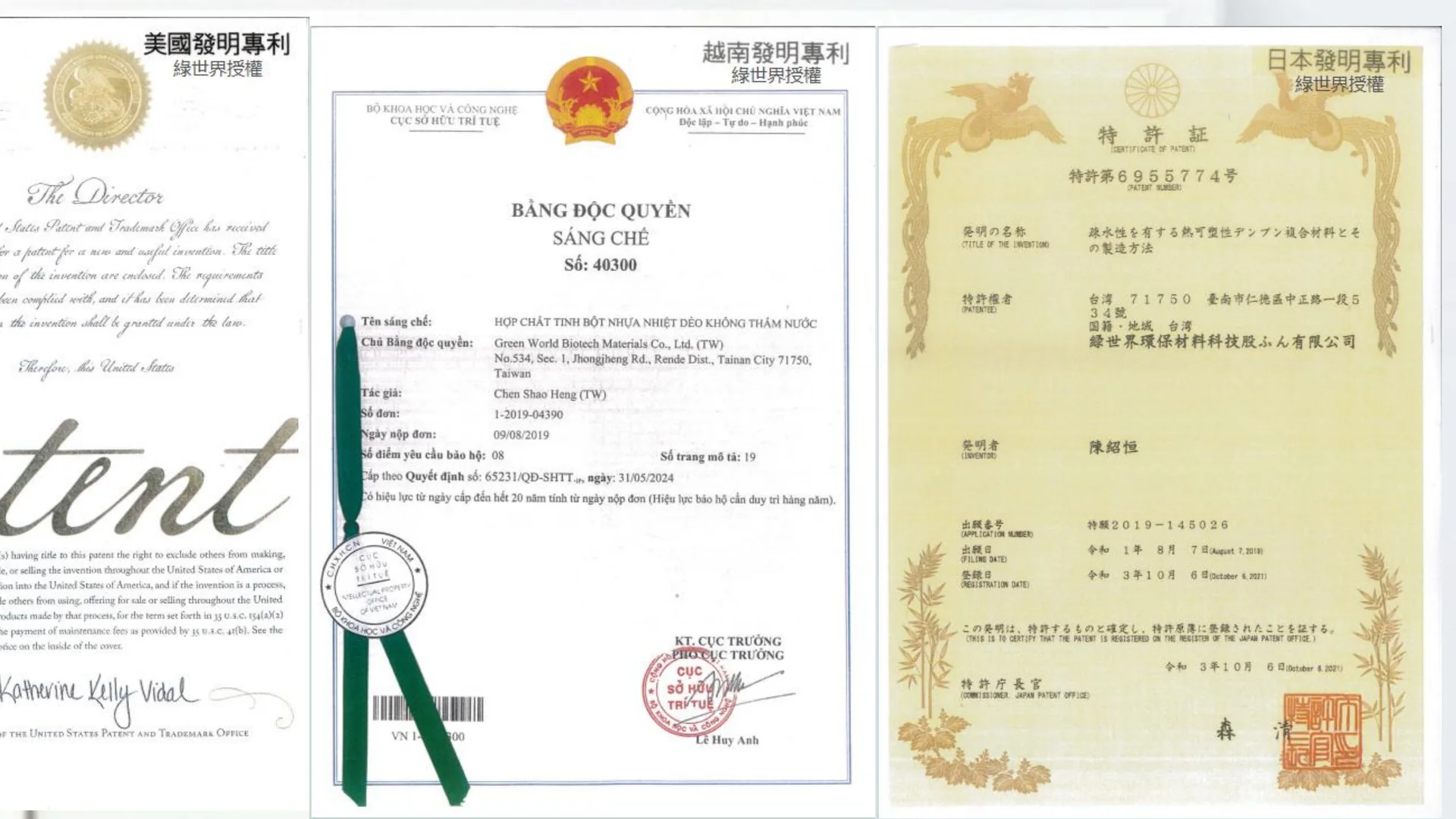
Explore patent documents for materials, formulations and processing across jurisdictions.
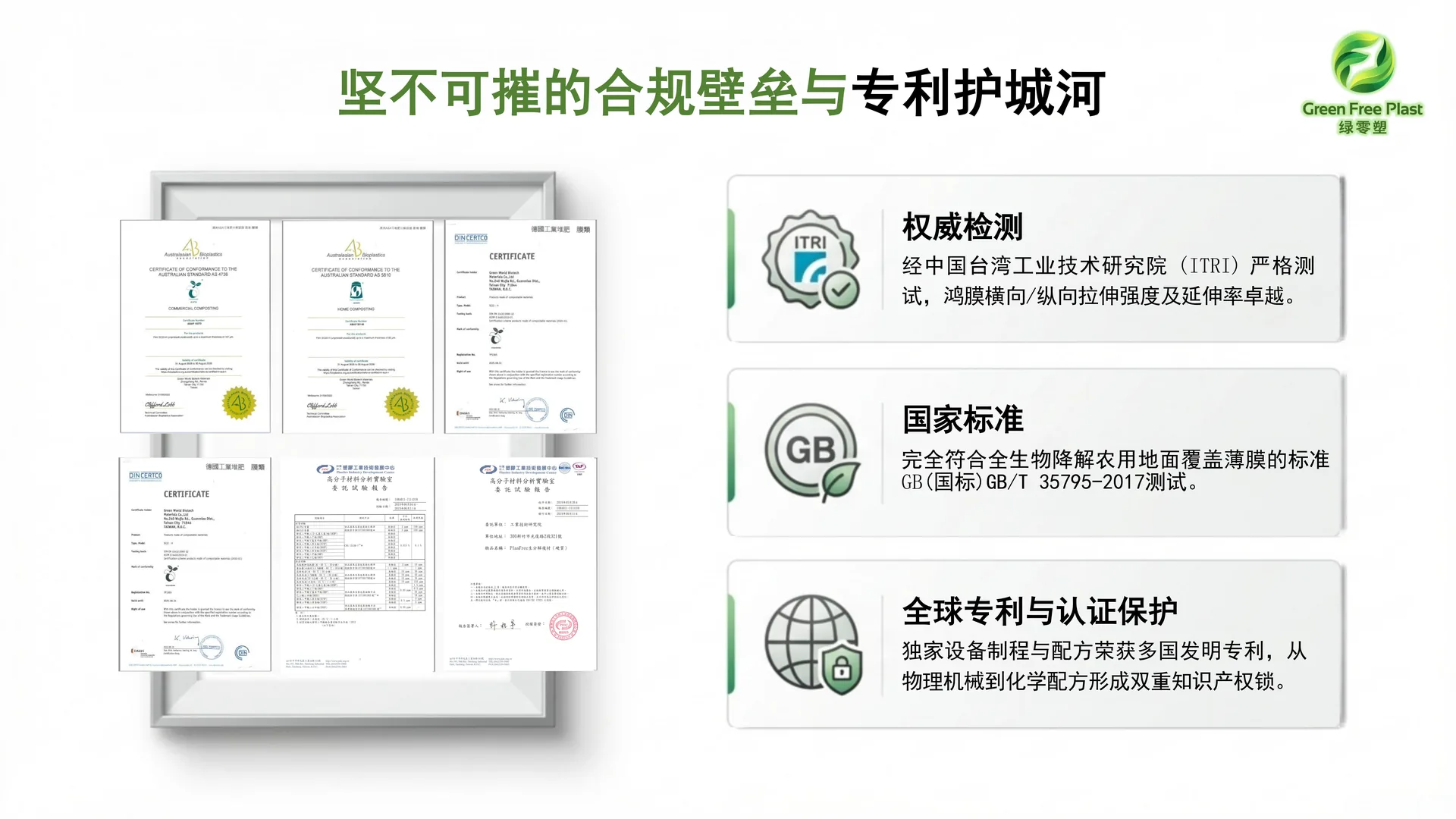
Explore industrial and home composting certificates, material test reports and document requirements for agricultural mulch-film projects.
06 · Compare materials
The key to material selection is matching decomposition conditions to the actual use scenario.
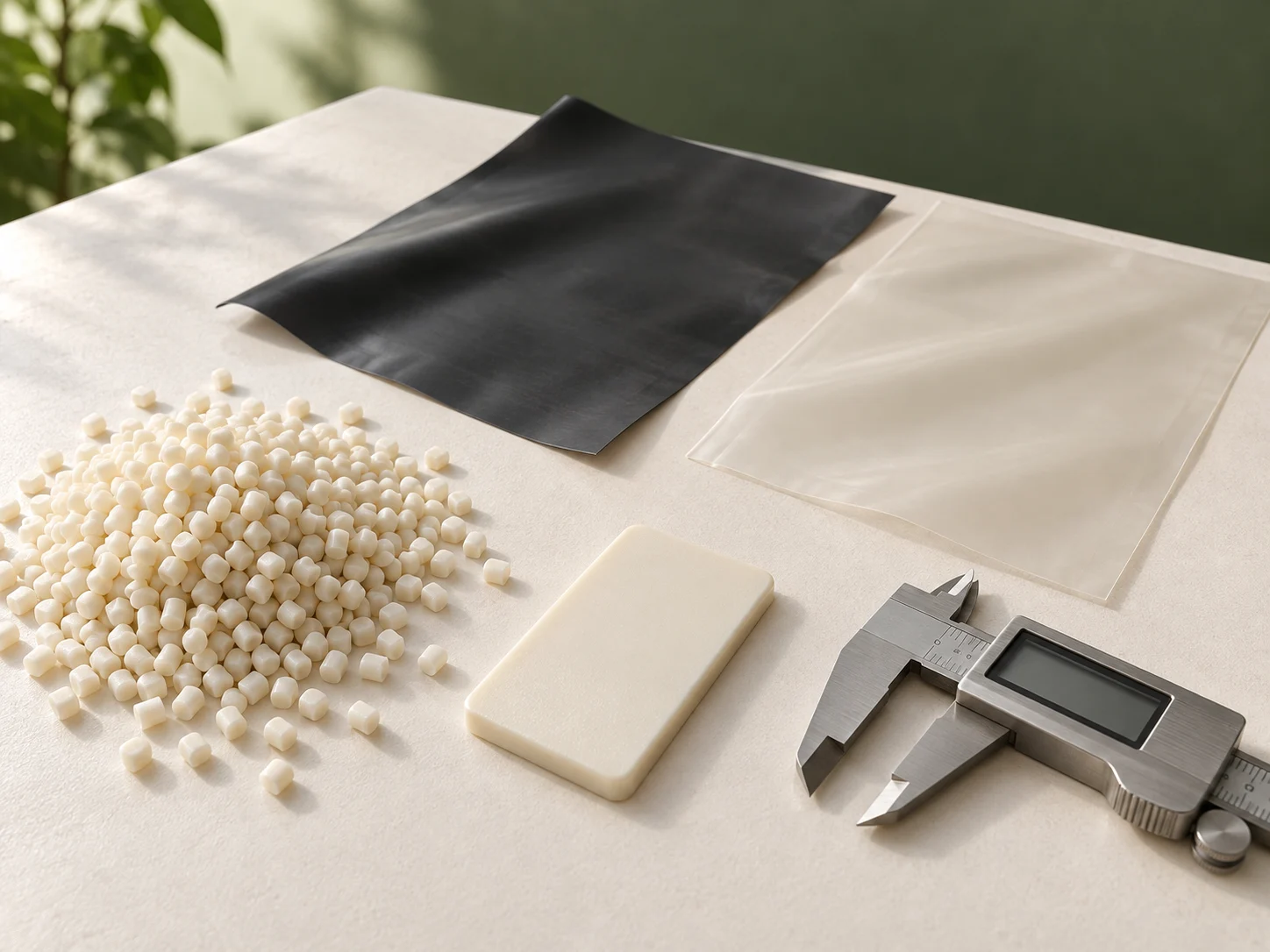
Material samples and testing
Use scenario, processing method and end-of-use conditions
Compare specific PLA, PBAT and PFM grades
Review processing behaviour, test methods and report scope
Agree the grade, processing window and validation requirements
| Dimension | PLA | PBAT | Green Free Plast |
|---|---|---|---|
| Material nature | Bio-based plastic | Petrochemical-based degradable material | Plant starch based · plastic-free design |
| Decomposition | Mostly industrial composting | Mostly industrial composting | Evaluated against soil and natural-environment conditions |
| Stability | Temperature sensitive | Flexible and processable | Stability and storage follow grade and test confirmation |
| Use scenarios | Food packaging, 3C packaging, short-term use | Plastic bags, flexible packaging | Agricultural film, packaging, and environmental applications |
| Residue risk | May leave residue depending on environment | May leave residue depending on environment | Plastic-free design; residue risk follows test documents |
Compare grade-specific properties, processing conditions and end-of-use handling. Test reports should cover the selected product and test conditions.
07 · FAQ
PLA and PBAT are synthesized bio-based or petrochemical polyesters, most of which require industrial composting to decompose. PFM is a thermoplastic system from modified native starch — a plastic-free design without PLA, assessed around soil and natural-environment conditions. Its specific gravity of only 1.07 (below PLA’s 1.25) means the same weight covers more area.
Native starch is hydrophilic and moisture-sensitive; adding it directly into production affects storage and processing stability. PFM modifies starch at the molecular level for hydrophobicity, oil resistance and compatibility, overcoming starch’s moisture weakness while fitting existing blown-film, coating, injection-molding and extrusion lines without equipment retrofit.
83% biobased content comes from natural cassava starch (a non-food feedstock); PLA-free means no polylactic-acid component — a plastic-free design direction. Exact content and composition follow the test documents for each product grade.
Fully biodegradable mulch film needs no retrieval — it is ploughed directly into the field and decomposes in natural soil into water and carbon dioxide, leaving no microplastics. The degradation period can be tuned precisely to crop requirements, up to 6 months. Specific conditions and performance follow the corresponding test documents.
Protected by invention patents in the United States, Vietnam, Japan and other countries; the product has been tested by the Industrial Technology Research Institute (ITRI) and meets GB/T 35795-2017 for fully biodegradable agricultural ground-cover mulch film. DIN CERTCO and AS 4736/AS 5810 certification documents are also available. Scope and validity follow the relevant documents.
Share your application, equipment and target market for material recommendations, technical documents and sample trials.