Product
PFM masterbatch and fully biodegradable mulch-film formulations meeting GB/T 35795-2017, with 1–6 month tunable degradation; fits existing blown-film and laying equipment.

Fully biodegradable agricultural ground-cover mulch film meeting GB/T 35795-2017: no retrieval after use — plough directly into the field, decomposing naturally into water and carbon dioxide. Degradation can be tuned precisely to crop requirements, up to 6 months.
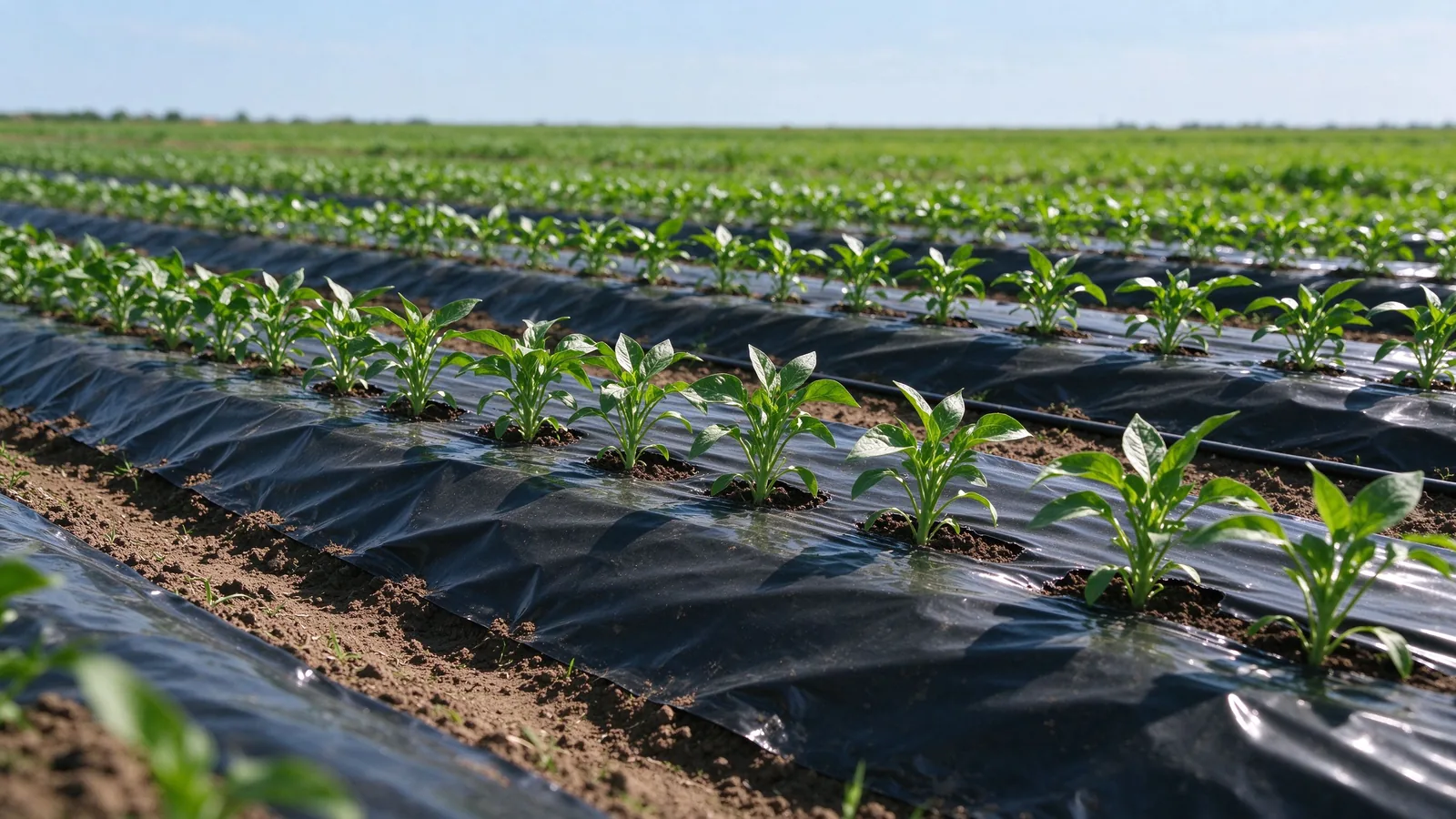
Mulch film in field application
PE mulch needs retrieval, labor and residue risk; fully biodegradable mulch is tilled straight into the soil. How far apart are the two options on your fields? Let us run the numbers.
Get a free cost estimateConventional plastic mulch film is extremely difficult to recover and breaks into microplastics that damage soil structure — more than 300,000 tonnes a year face the white-pollution dilemma. Green Free Plast blown-film mulch, made from PFM hydrophobic starch masterbatch, combines excellent mechanical performance with complete biodegradability, entering this high-frequency, essential agricultural consumables market directly. It drops into existing farm equipment without modification — strong, tear-resistant and able to withstand high-intensity tractor work, plug-and-play. Tested by the Industrial Technology Research Institute (ITRI), the film's mechanical properties fully meet the national standard GB/T 35795-2017 for fully biodegradable agricultural ground-cover mulch film.
PFM masterbatch and fully biodegradable mulch-film formulations meeting GB/T 35795-2017, with 1–6 month tunable degradation; fits existing blown-film and laying equipment.
Fully biodegradable mulch film (GB/T 35795-2017), seedling pots and agricultural twine.
Blown-film production, laying and field observation, with sample trials, process adjustments and technical-document support.
Common product directions for PFM materials; exact specifications and availability are confirmed per target product.
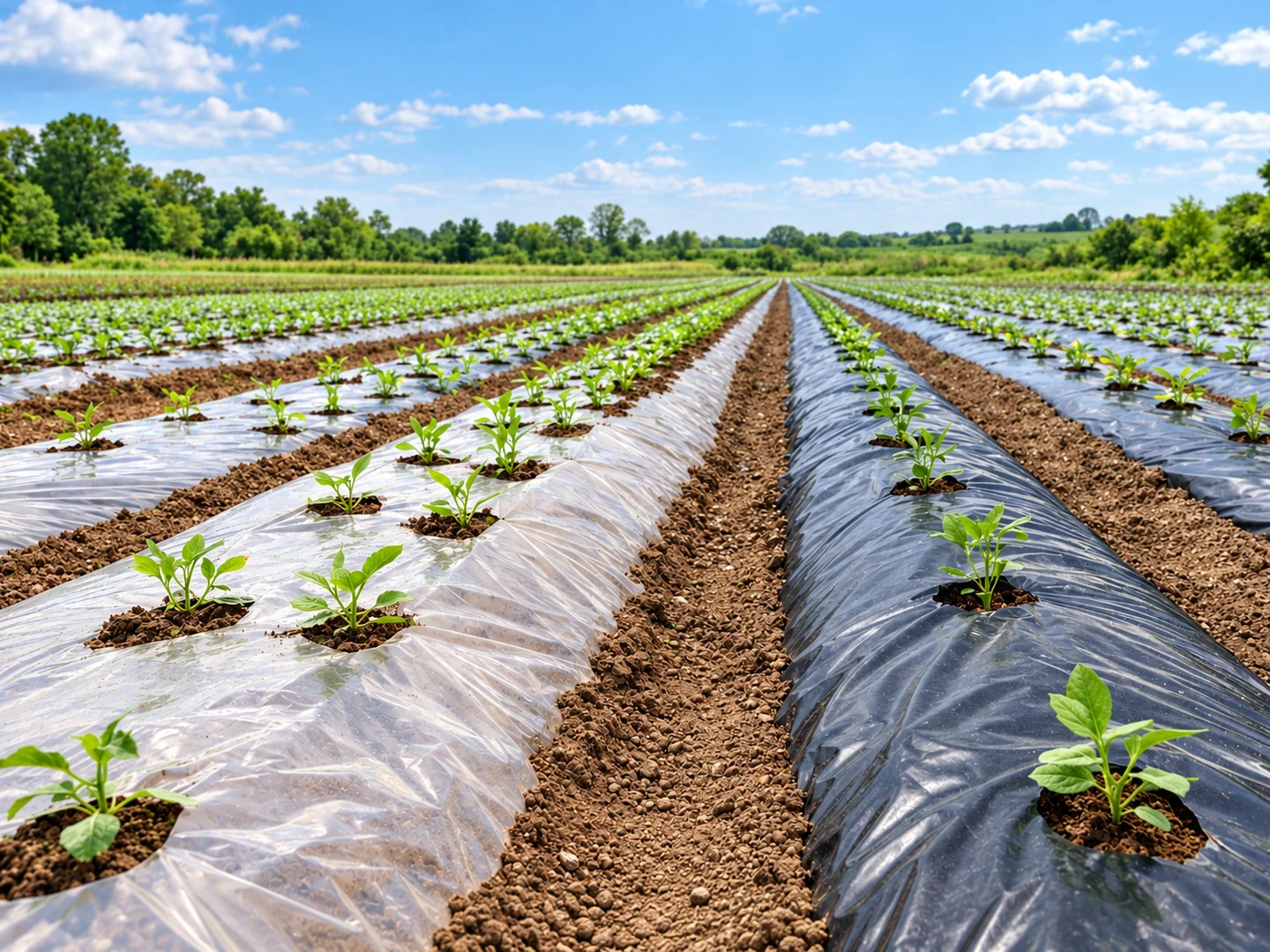
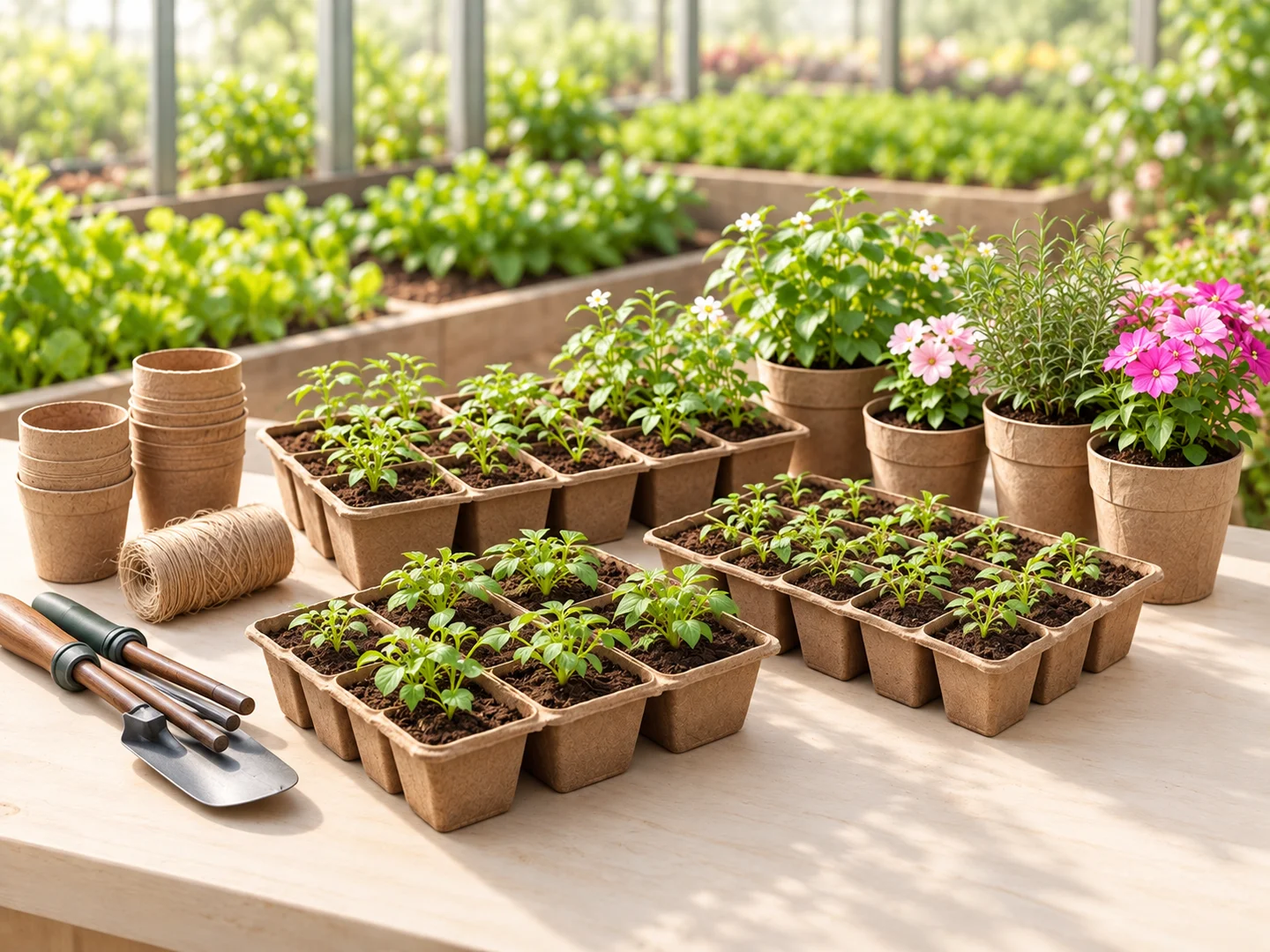
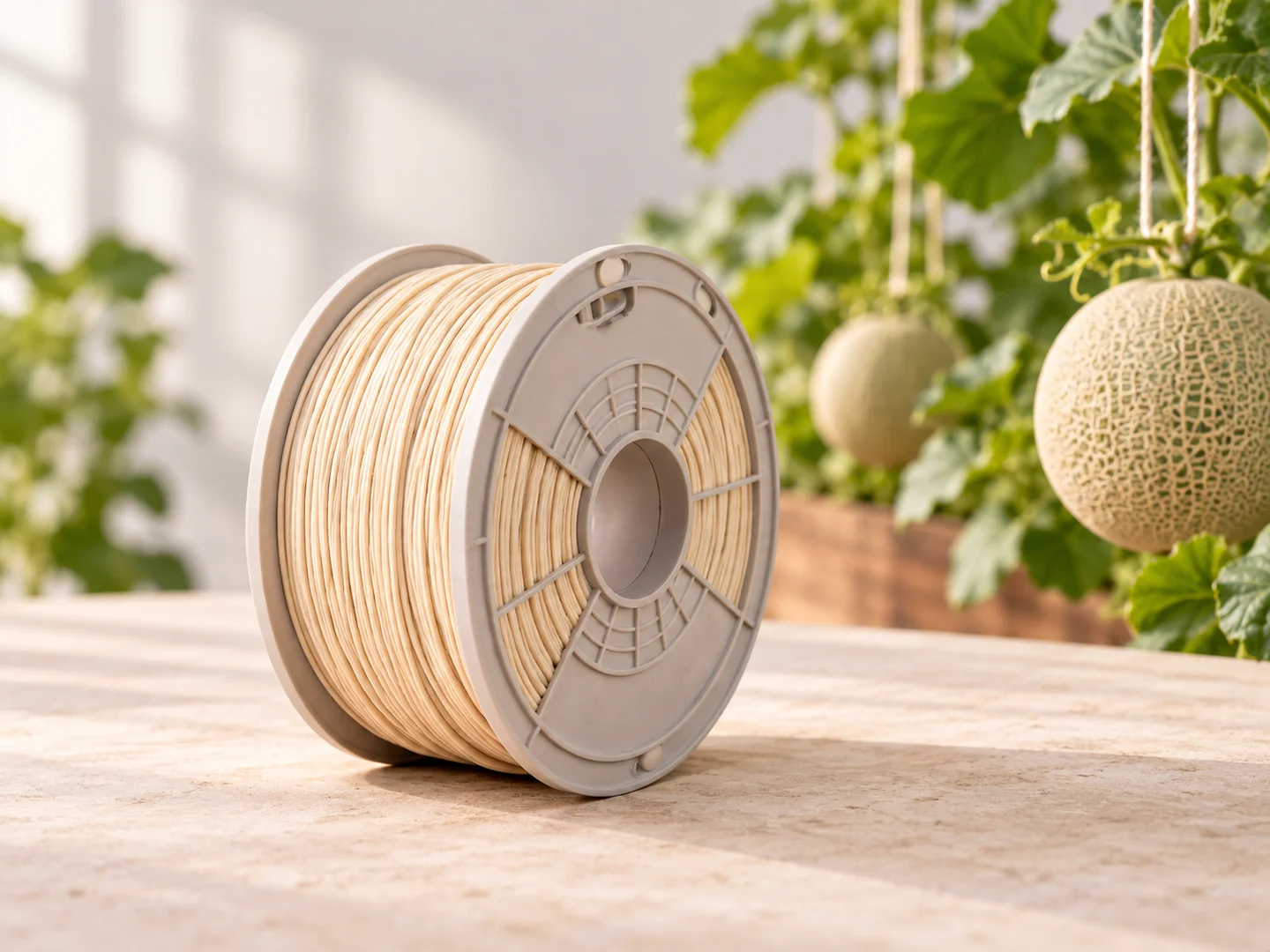
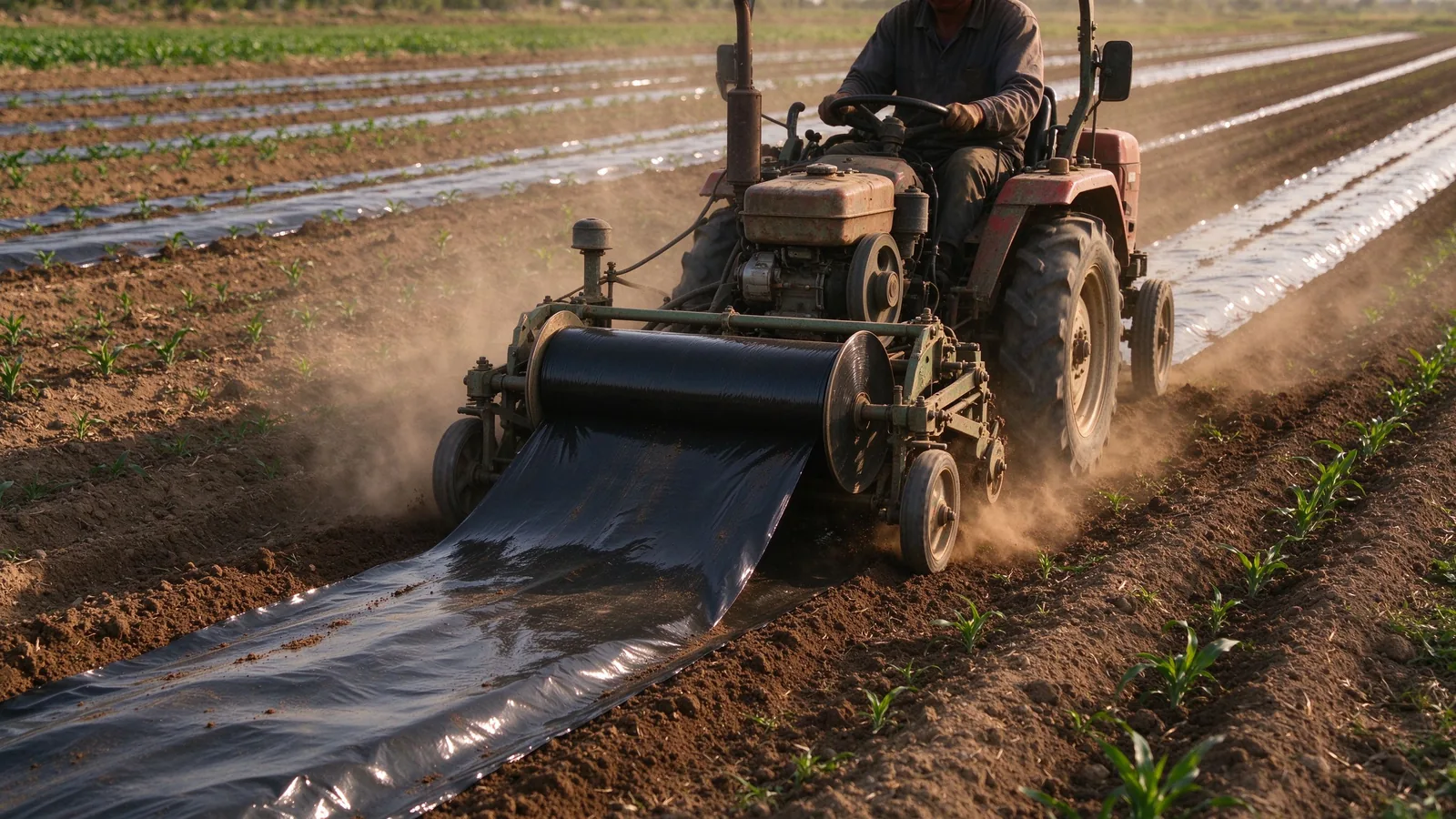
Choose from fully biodegradable mulch film, seedling pots and agricultural twine; confirm crop, region, planting area and service period.
Confirm the PFM grade around the crop cycle and field conditions; tune the degradation period as needed (1–6 months).
Blown-film production, laying and field observation: adjust process parameters from sample results.
After the sample is approved, review the tests, equipment, and next production steps.
Request the following documents for the material and product. Formal files are available through project enquiries.
Share your target product, crop and region, existing equipment and target market to request the corresponding technical documents and samples.
Request documents and samplesMulch film observations from the same project on days 1, 60, 90 and 120. Open each photograph to explore the details.
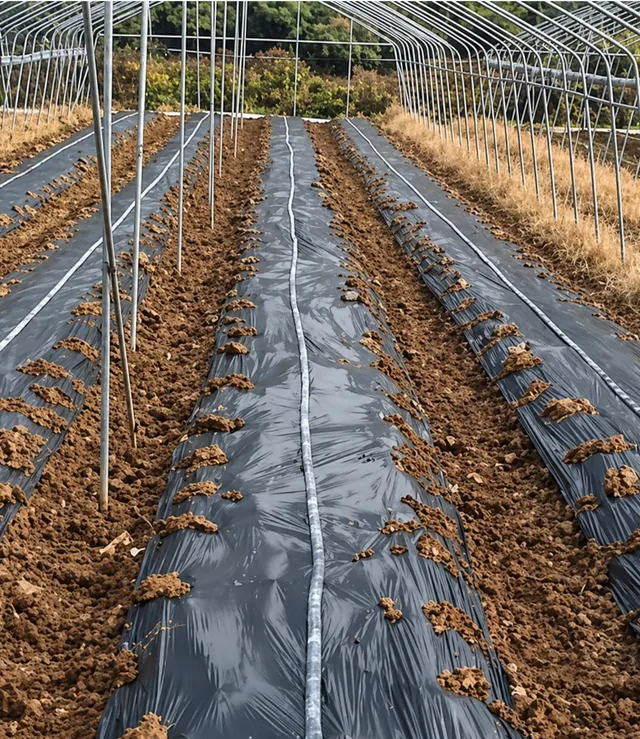
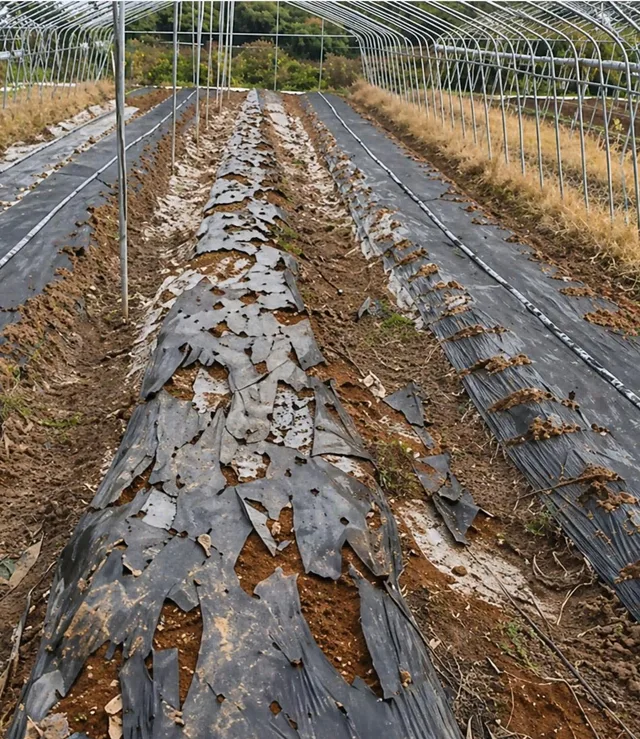
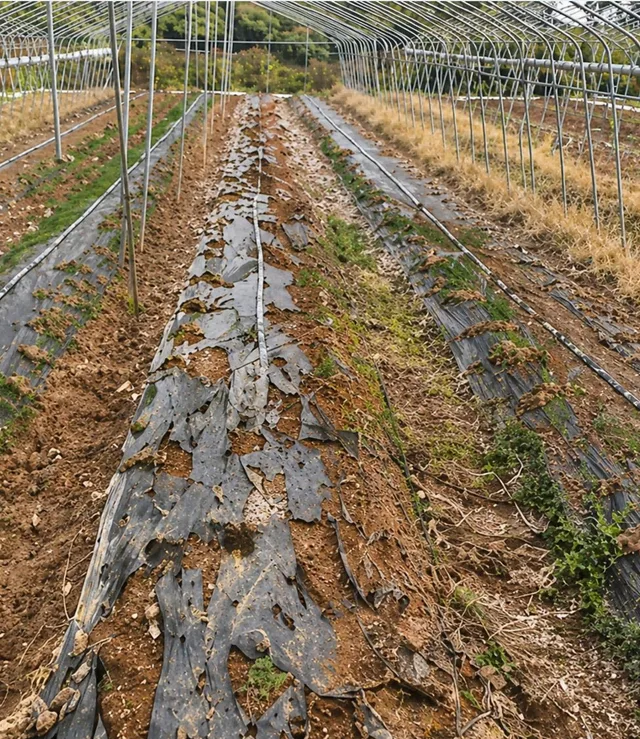
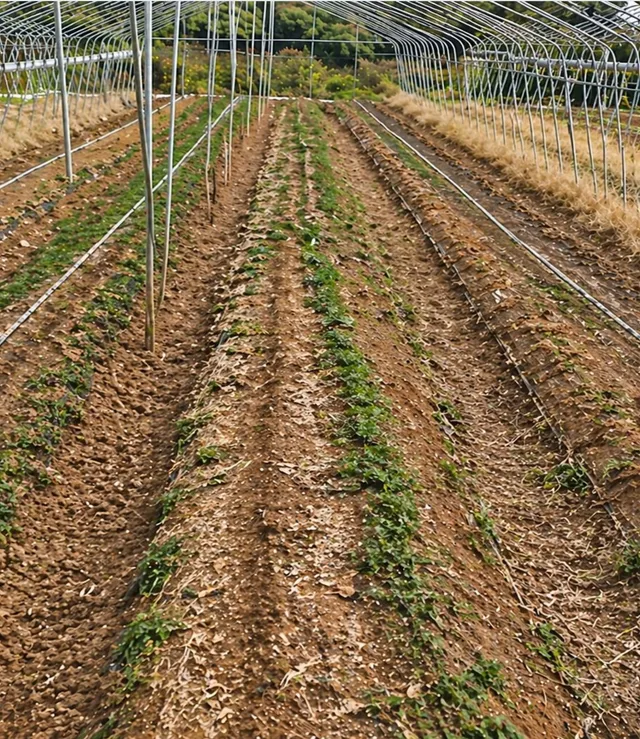
These photographs document this project. Assess performance for other crops, regions and film grades under their own conditions.
Conventional plastic film does not degrade and pollutes the soil; PLA film needs industrial composting above 50 °C and barely degrades in natural soil. Green Free Plast film field-decomposes in natural soil, and its specific gravity of only 1.07 (below PLA's 1.25) means the same weight covers more area, directly lowering cost per mu.
Yes. The degradation period is tuned precisely to crop growth: fully intact at 1 month, cracking at 2 months, decomposing at 3–4 months, up to 6 months — matching the growth cycles of different crops.
Green Free Plast film is fully compatible with existing blown-film and mechanical laying equipment — no upgrade, plug-and-play. Share the equipment model, current material and product dimensions, and we will arrange a small batch trial before discussing production conditions.
The product meets GB/T 35795-2017 for fully biodegradable agricultural ground-cover mulch film, with film mechanical properties verified by the Industrial Technology Research Institute (ITRI); protected by multi-country patents, with DIN CERTCO and AS 4736/AS 5810 certification documents available.
Share the product, material, equipment, or use conditions you know so we can confirm a practical next step.
Enquire about mulch film