Product
Food-contact-grade PFM masterbatch, 83% biobased, 100% PLA-free and heavy-metal free; fits injection molding, extrusion and film forming.
Meal boxes, cutlery, cup lids and food packaging — formed from PFM material, 83% biobased, 100% PLA-free, no heavy metals, no microplastics. Food-contact suitability is confirmed by target-market testing.
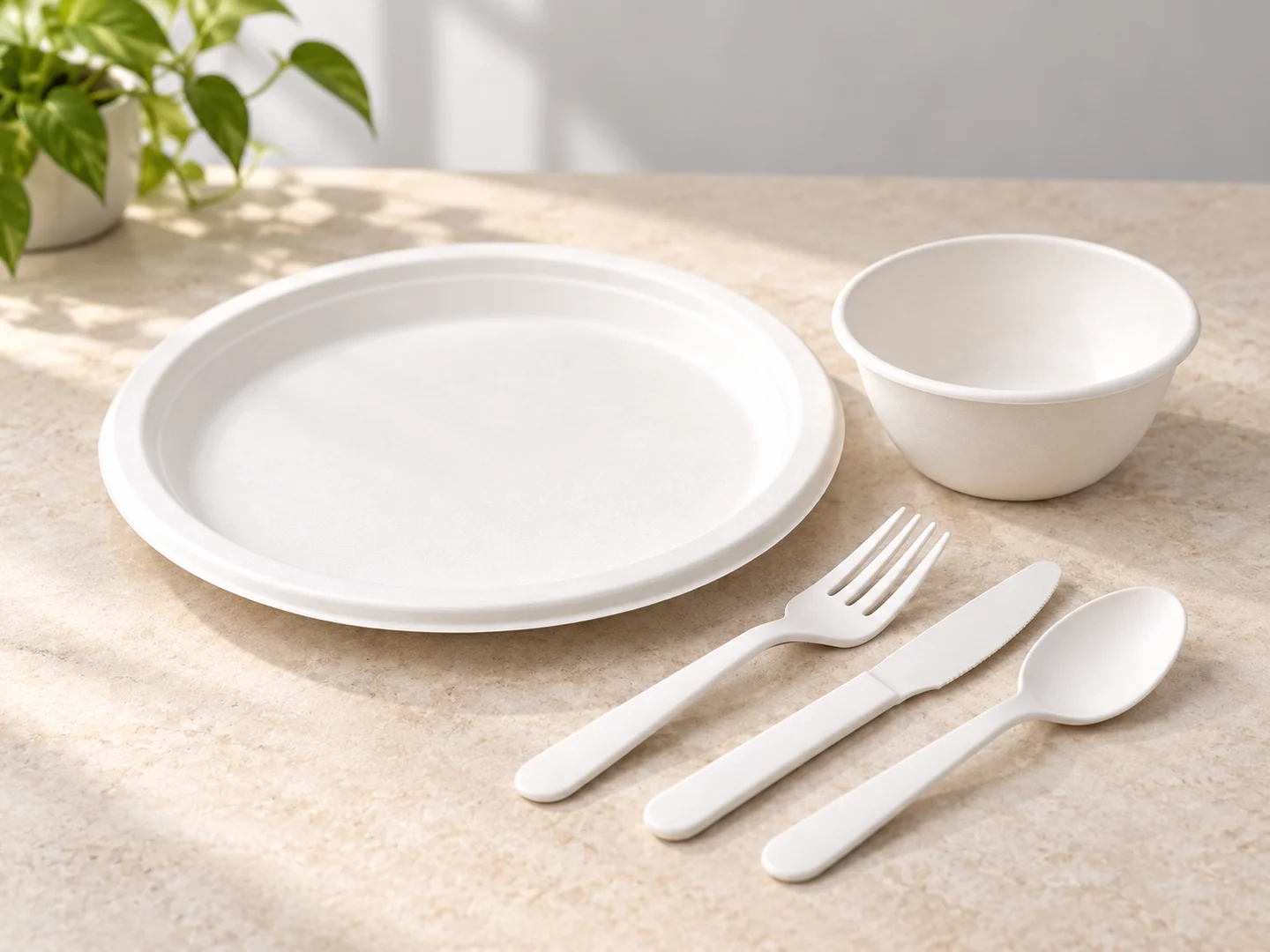 Material example
Select materials for the product structure, contents and contact time, then run injection-molding, extrusion or film trials. PFM masterbatch is plug-and-play and fits existing forming and film equipment. Waste-empowering formulations can turn coffee grounds and tea residue into premium eco food packaging, building brand value through the circular economy. Hot-food, hot-drink and microwave uses are confirmed separately; food-contact suitability follows the test documents for the specific grade and finished product.
Food-contact-grade PFM masterbatch, 83% biobased, 100% PLA-free and heavy-metal free; fits injection molding, extrusion and film forming.
Meal boxes, cutlery, cup lids and food packaging, with plant-fiber waste empowerment supported.
Injection molding, extrusion and food-packaging processes, with sample trials, process adjustments and food-contact compliance support.
Common product directions for PFM materials; exact specifications and availability are confirmed per target product.
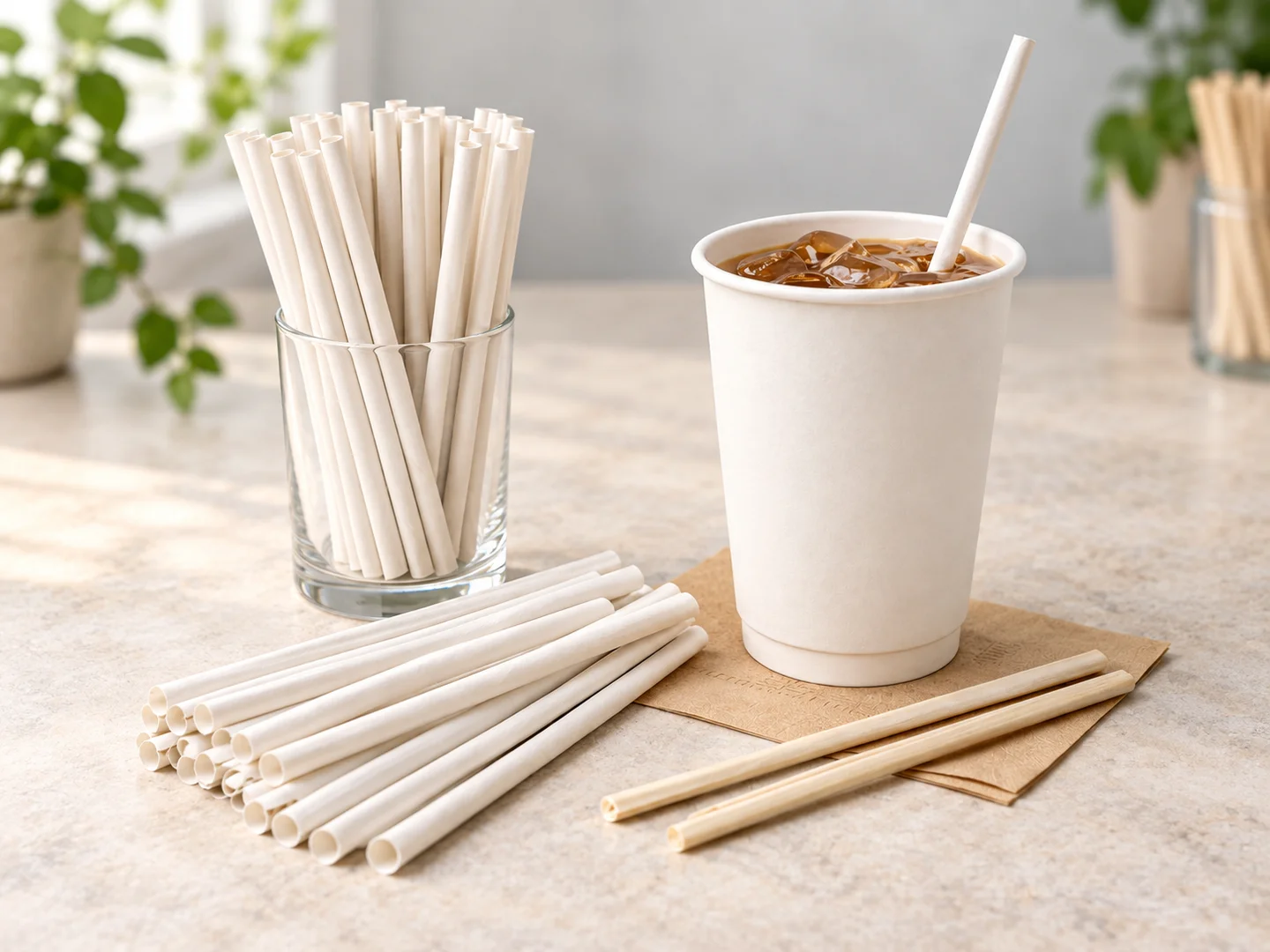
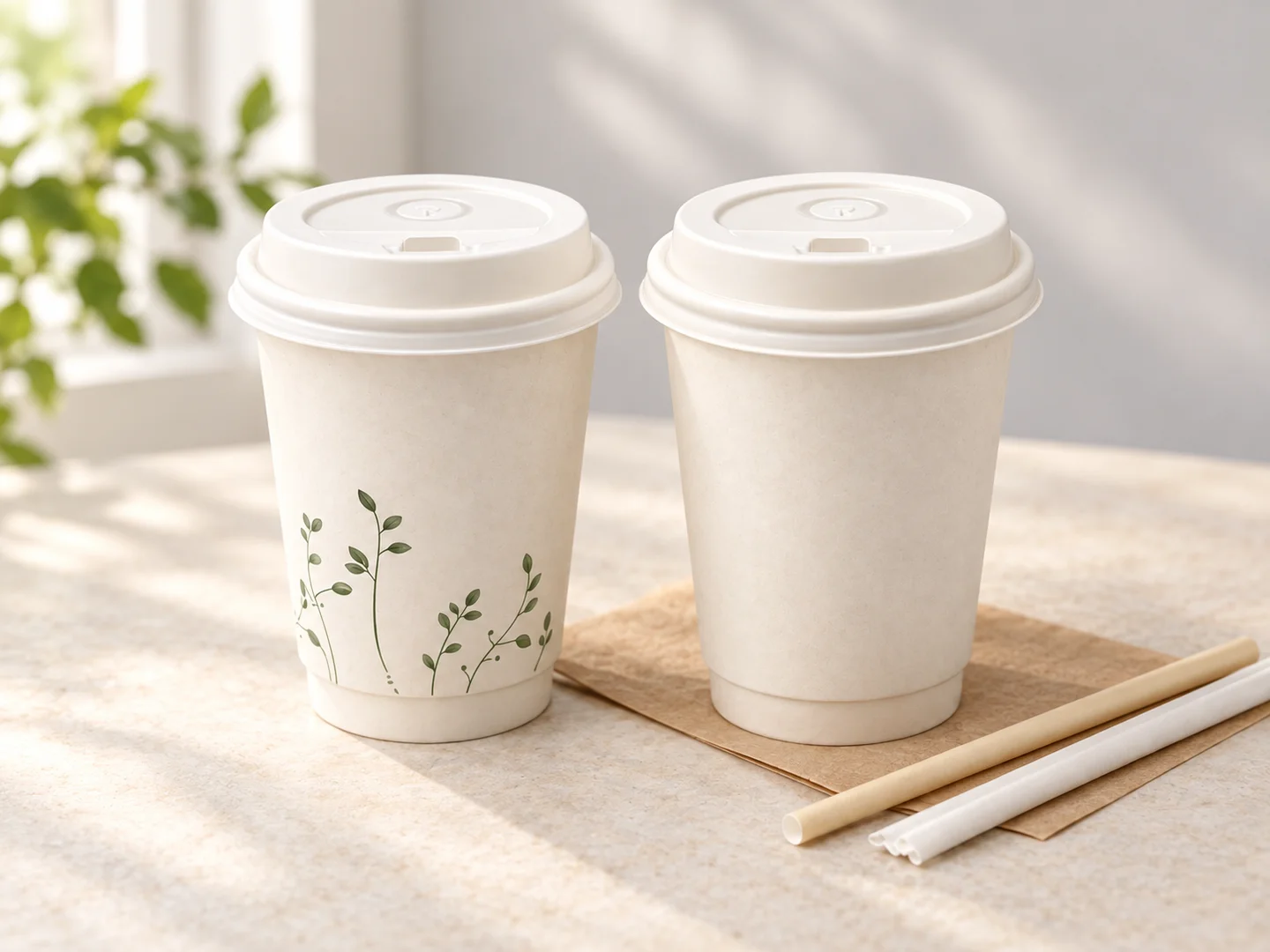
Choose from meal boxes, cutlery, cup lids and food packaging; confirm dimensions, structure and use requirements.
Confirm the PFM grade or composite formulation for the product — 83% biobased, 100% PLA-free; plant-fiber empowerment such as coffee grounds and tea residue is supported.
Injection molding, extrusion and food-packaging processes: adjust process parameters from sample results.
After the sample is approved, review food-contact testing, equipment, and next production steps.
Request the following documents for the material and product. Formal files are available through project enquiries.
Share your target product, equipment and market to request the corresponding technical documents and samples.
Request documents and samplesDisposable plastic tableware does not degrade and pollutes the environment; PLA needs industrial high-temperature composting. PFM food-service products are 83% biobased, 100% PLA-free, with no heavy metals and no microplastics — they degrade in natural environments, and the final products are only water and carbon dioxide.
Yes. PFM modification technology can add plant fibers such as coffee grounds, tea residue and bamboo powder, turning a food company's natural by-products into brand-exclusive premium eco tableware and packaging — waste into value through the circular economy.
Food-contact suitability follows the test documents for the specific grade and finished product, checked item by item for the target market (for example contact migration, heat resistance and contact time), with the relevant test and certification documents provided.
PFM masterbatch is plug-and-play and fits existing injection-molding, extrusion and film equipment. Share the equipment model, current material and product dimensions, and we will arrange a small batch trial before discussing production conditions.
Share the product, material, equipment, or use conditions you know so we can confirm a practical next step.
Request materials and samples