Total Solution

The technology foundation for a global plastic-reduction value chain

We deliver turnkey plant output — core equipment + raw-material formulation + process design + installation and commissioning — as a low-risk, high-value green-transition path for conventional plastics companies.

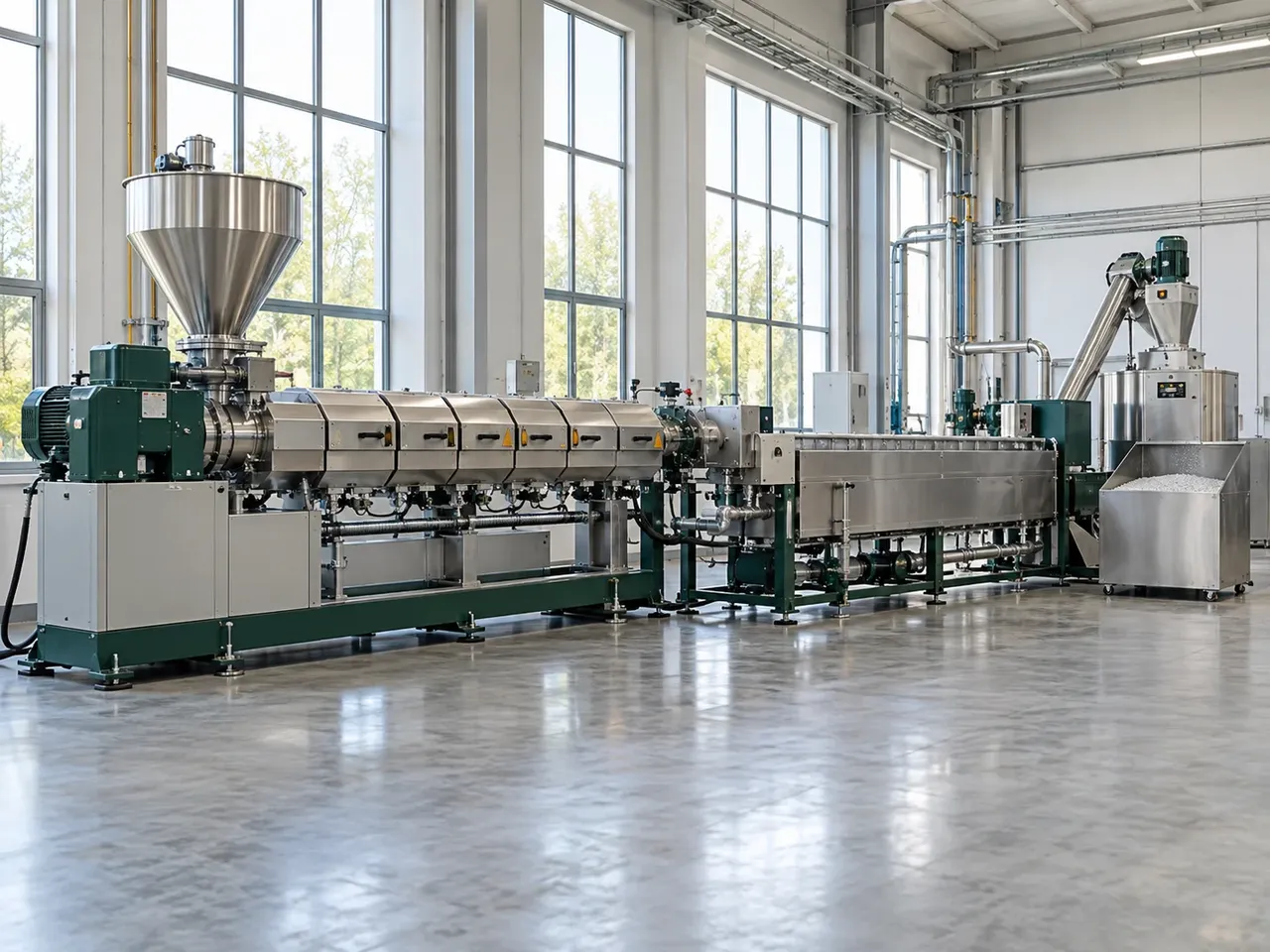
Compounding, extrusion and pelletizing production line illustrationMaterial example
Material platform

Material platform and core masterbatch

PFM hydrophobic starch masterbatch supports formulation and process development for films, molded products and plant-fiber composites.

We align material direction, formulation trials and process introduction around the target product, existing equipment and use conditions. Product performance, scope and documents follow the relevant product files.

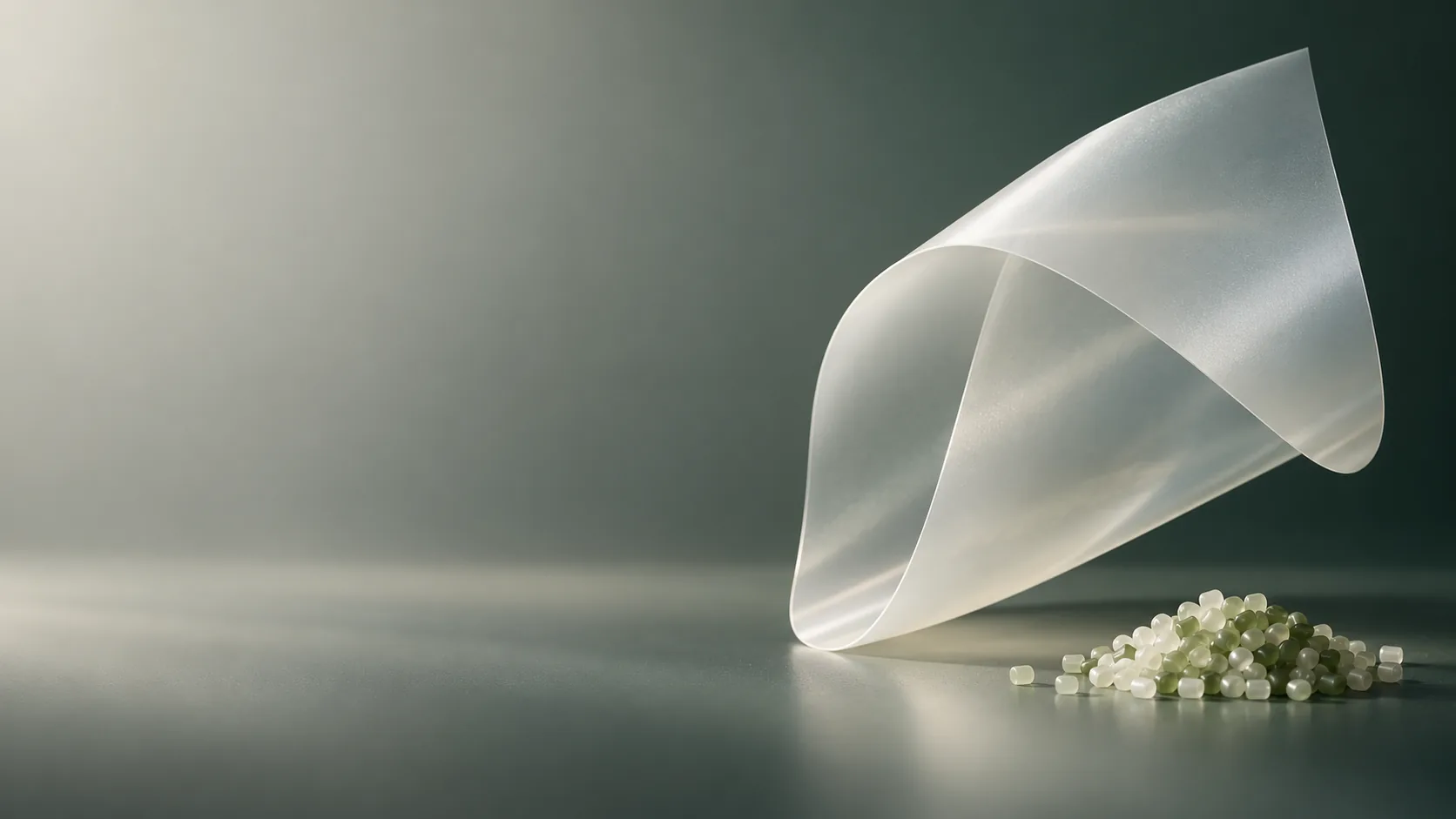
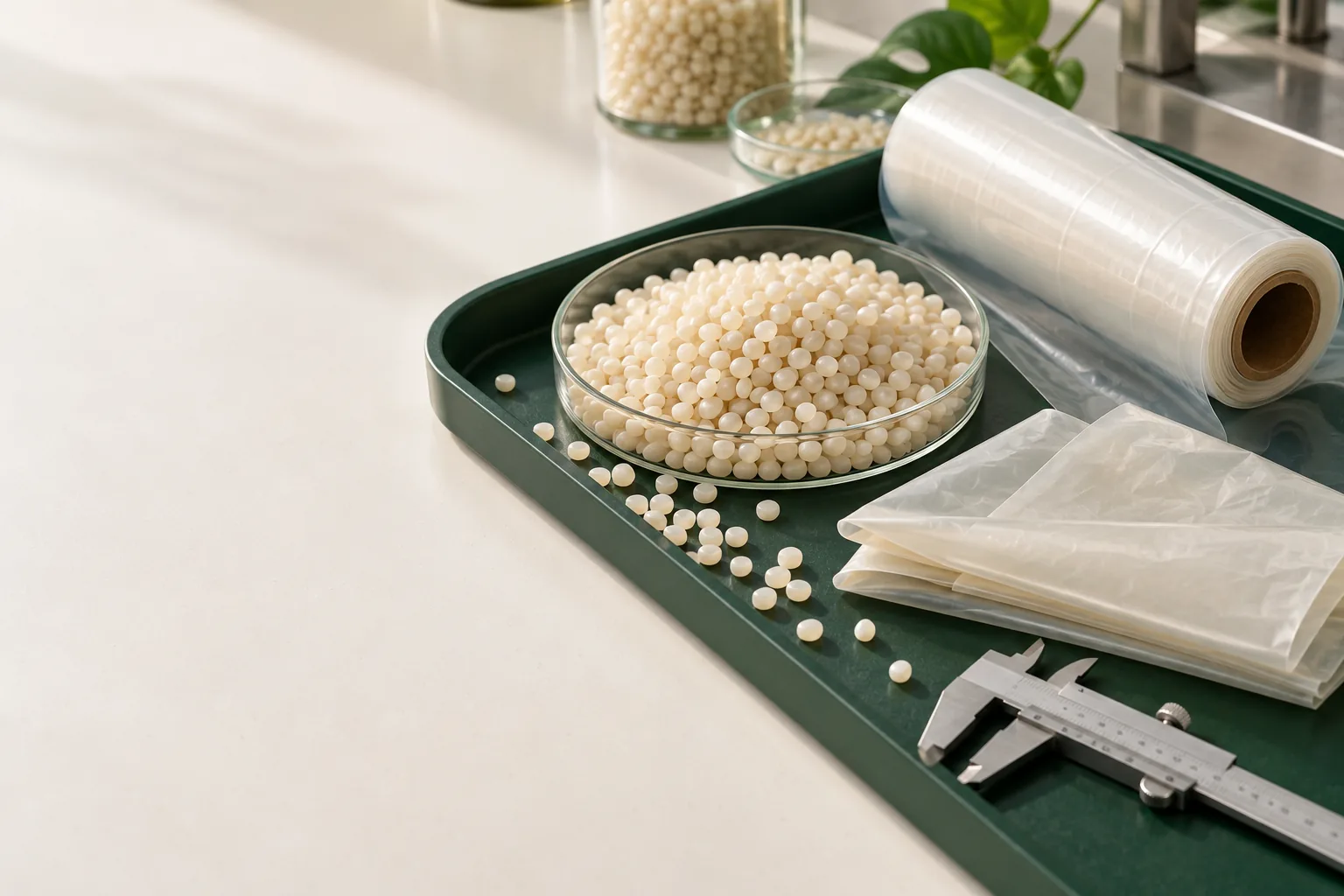
PFM starch-based masterbatch sample
PFM masterbatch sample

Rigid and flexible material paths

Choose a material direction from the product structure and converting route, then confirm performance and processing windows through samples.

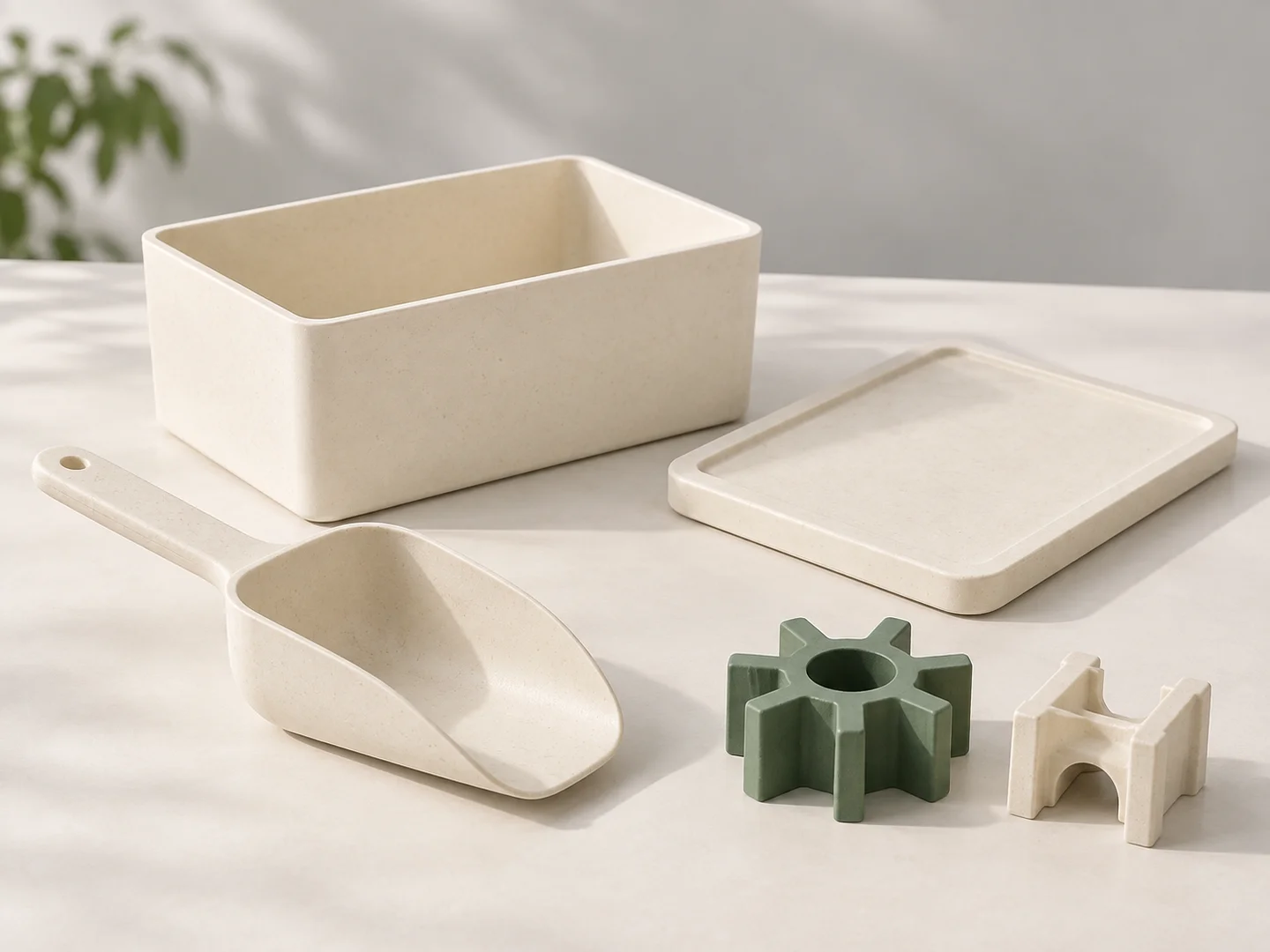
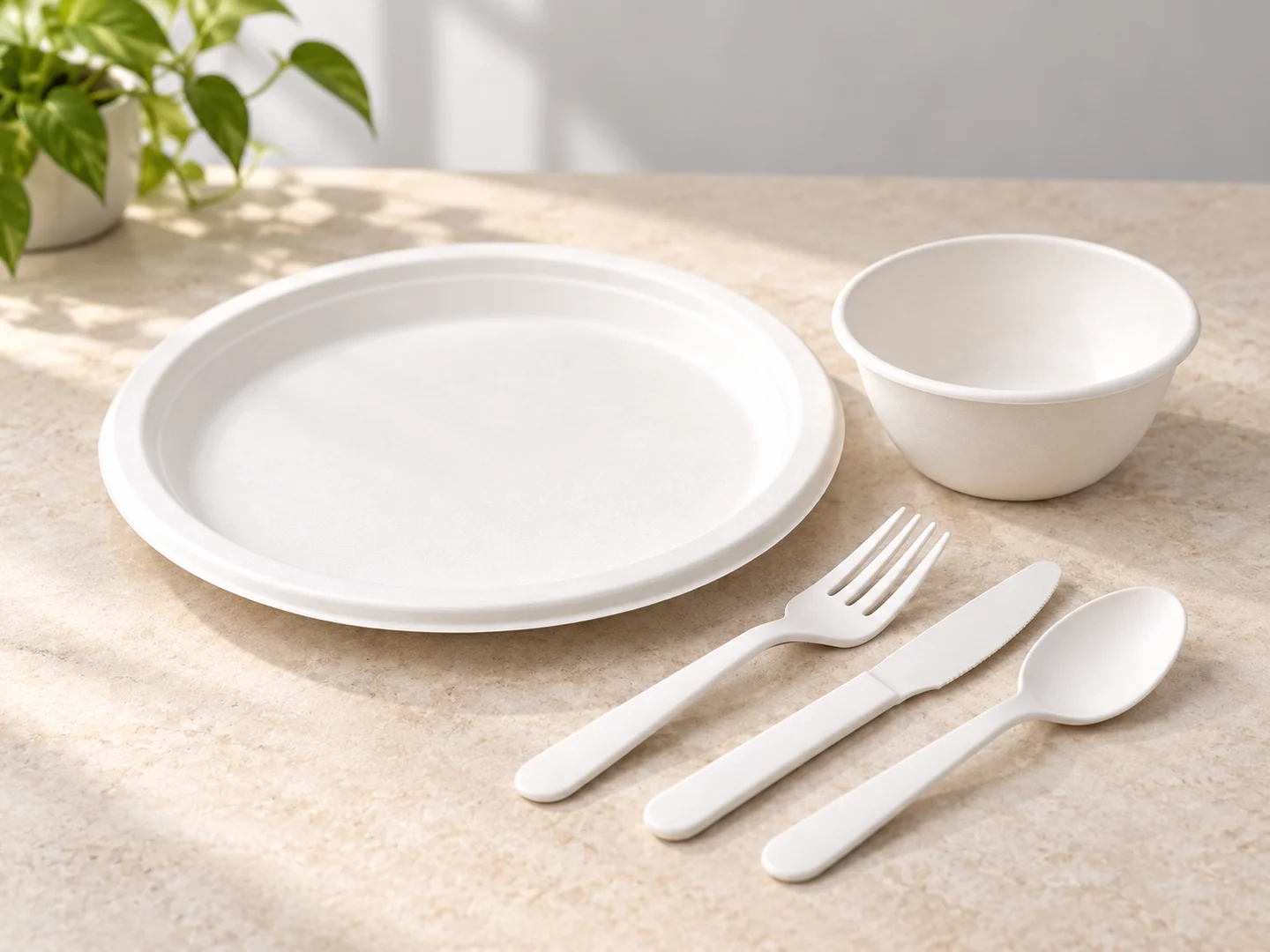
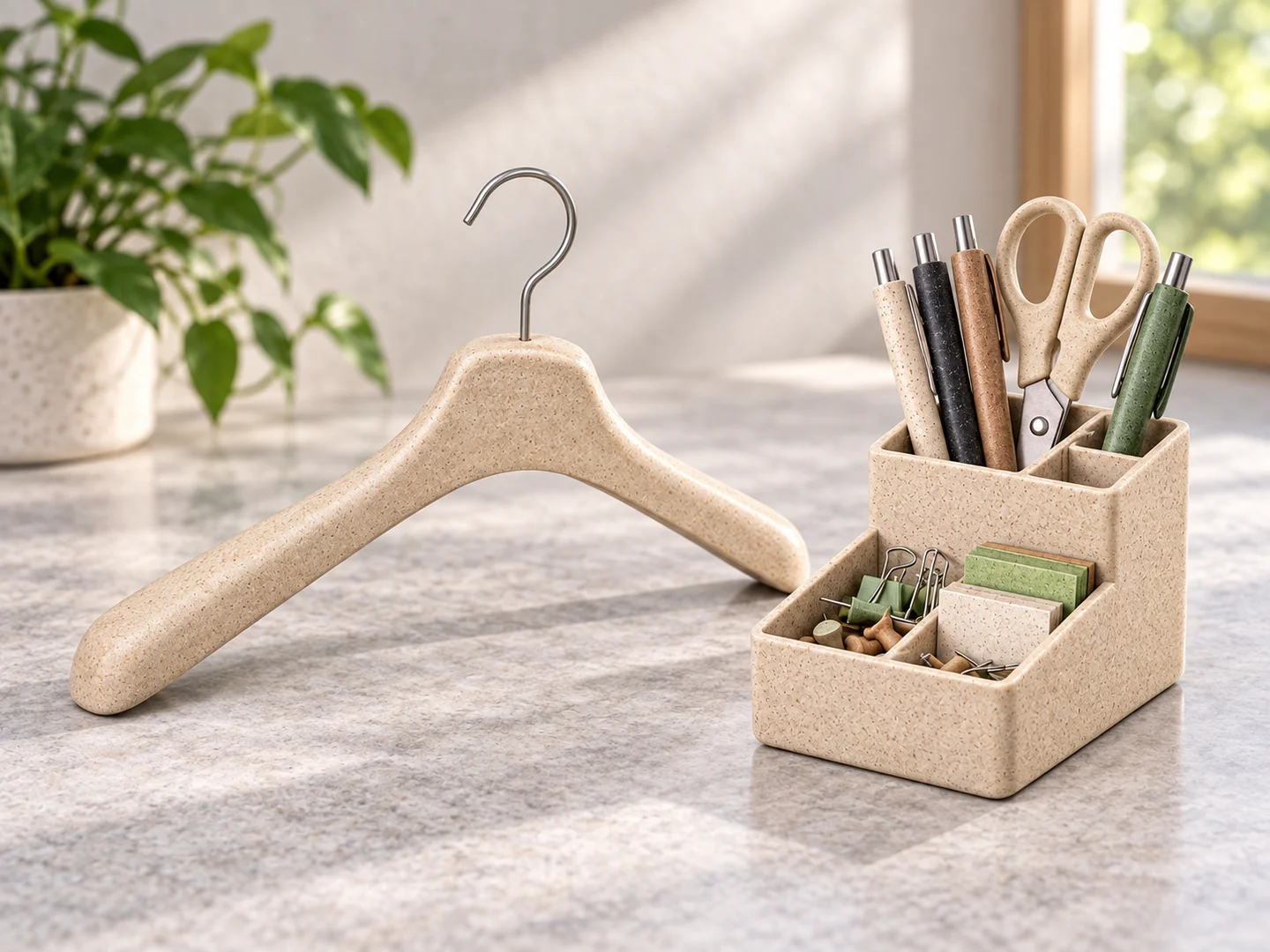
Molded products and industrial parts application illustration
Product example
Rigid materials

Rigid materials

For injection molding, extrusion, sheet and structural products, with trials shaped by product geometry, appearance and processing conditions.

  • Food-service, storage and horticultural products
  • Injection molding, extrusion and related forming routes
  • Rigidity, appearance and production consistency confirmed per product
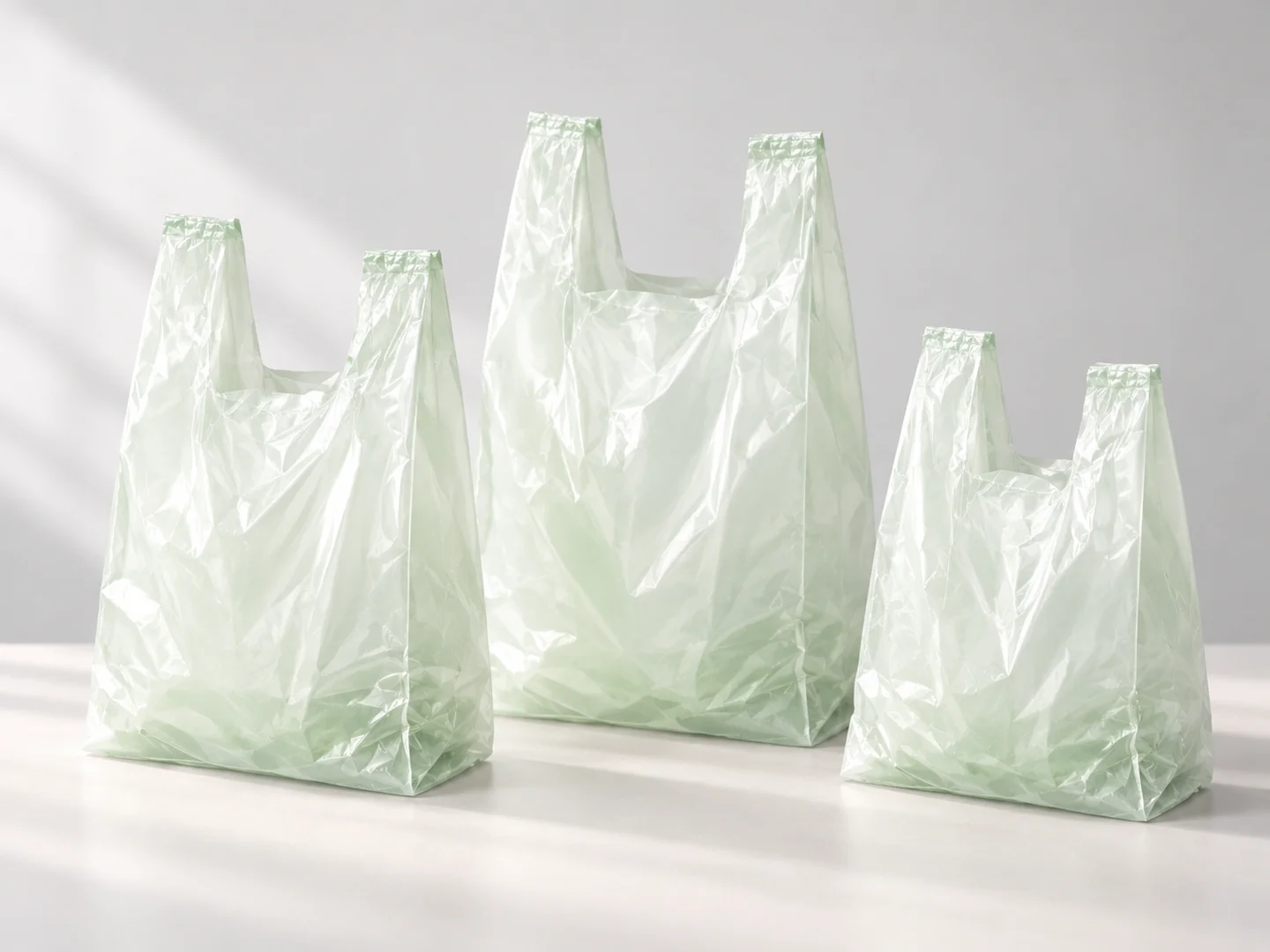
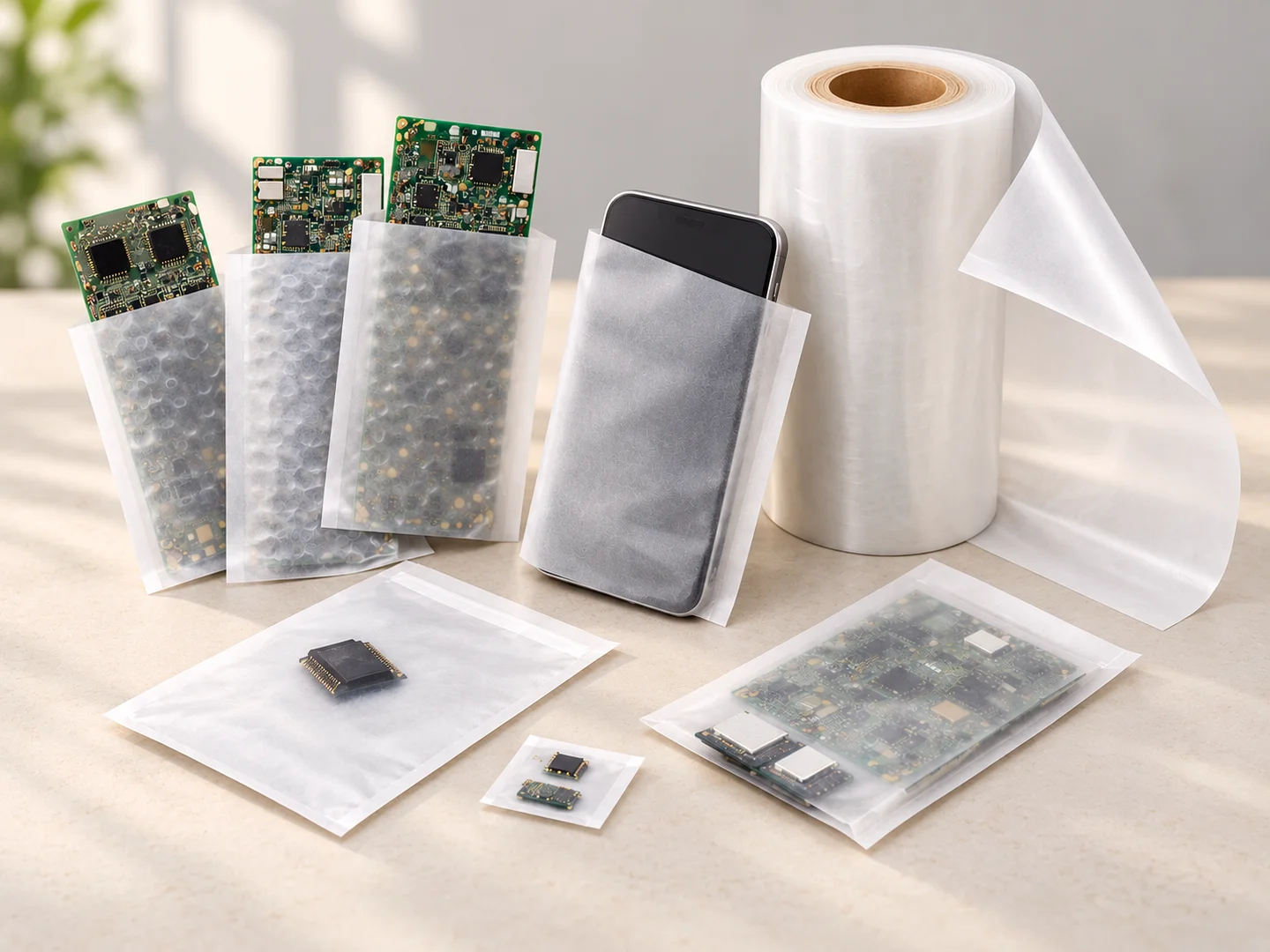
Film material and masterbatch application illustration
Product example
Flexible materials

Flexible materials

For blown film, coating and flexible packaging, assessed against film gauge, equipment, use cycle and end-of-life conditions.

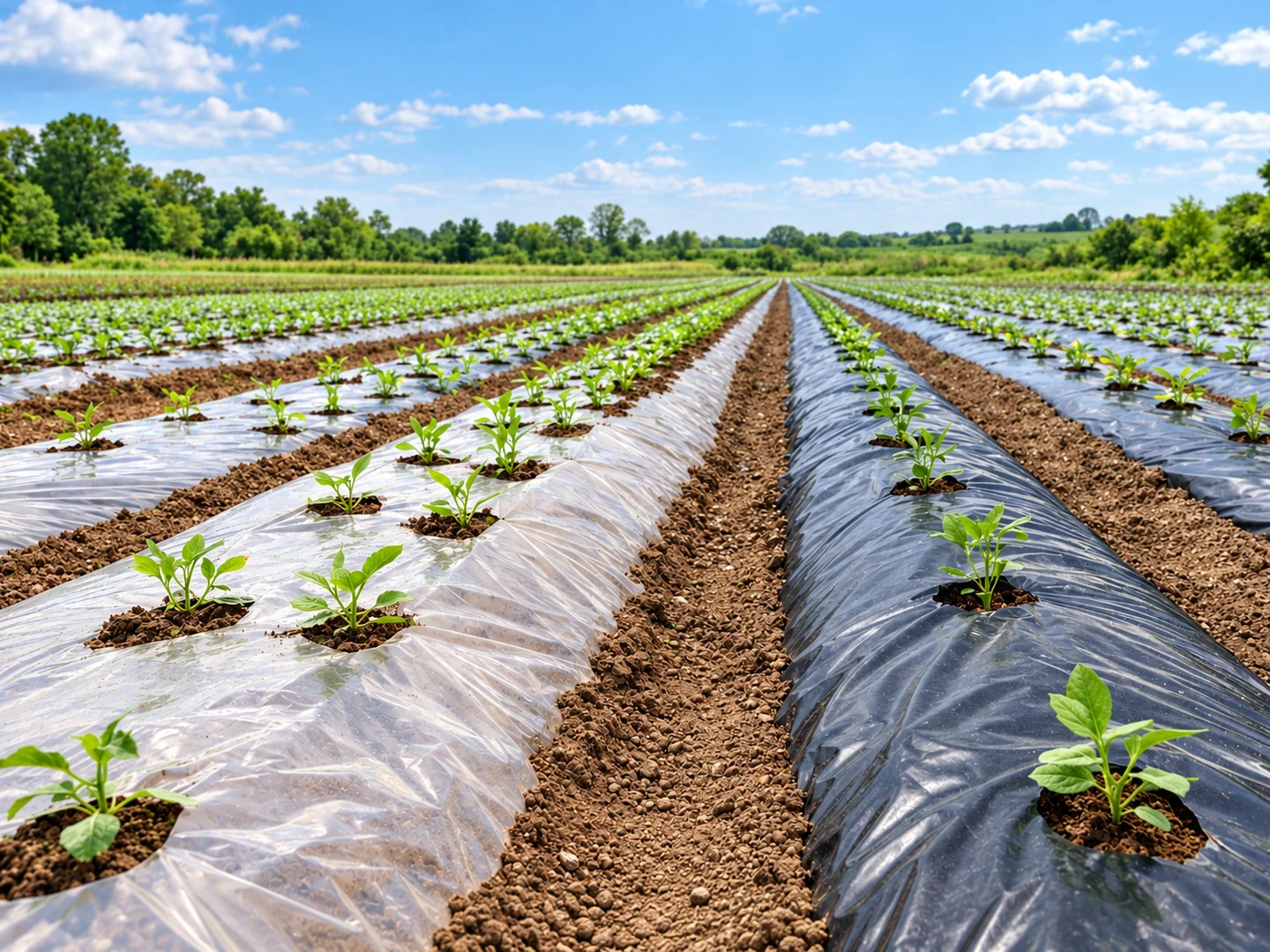
  • Agricultural film, shopping bags and logistics packaging
  • Blown film, coating and flexible converting routes
  • Stretch, barrier and processing windows confirmed against the target application

Material advantages and process support

We support material, formulation, processing and documentation so a project can move from concept to testable samples and production conditions.

01

Plant-based material direction

Start with starch and other bio-based feedstocks, then select a material direction for the product and converting route.

02

Hydrophobic and process fit

Discuss moisture, storage and processing stability through formulation and process work; actual performance follows the product and test conditions.

03

Project-based introduction

Progress through samples, equipment fit, pilot production and production support, with documents prepared for the target market.

Production footage

Film blowing and converting

From premixing and film blowing to haul-off and winding — watch PFM masterbatch processed on a real blown-film line.

Blown-film production footage · 91 seconds

Technical documents and project enquiries

Request material composition, processing guidance, test reports and target-market documents for the relevant product.

Project technical support

Want to know what turnkey plant output covers, the timeline, and how to engage? Tell us your project goal.

How to request documents

Share the target product, converting route and market so we can match available documents and sample arrangements.

Frequently asked questions

Can we buy masterbatch only or request a complete solution?

You can start with PFM masterbatch supply and sample trials, or discuss formulation development, equipment compatibility, or a complete solution. We review the target product and existing conditions before defining the scope.

What services can a complete solution include?

The scope may include materials and formulation, processing equipment, process design, installation, commissioning, and technical guidance. Product structure, required capacity, and site conditions determine the equipment, services, and deliverables.

How does PFM masterbatch differ from ordinary starch?

PFM is a starch-based masterbatch made through hydrophobic modification, compounding, and pelletizing for subsequent compounding and forming. It is different from feeding starch powder directly into a production line. Select the grade, blend ratio, and processing parameters for the intended product.

Can we use existing equipment, or do we need a new line?

We can assess blown film, extrusion, lamination, compounding, and injection molding routes. Share the equipment model, screw configuration, current material, and product specifications. Sample trials help establish compatibility and required adjustments before considering modifications or new equipment.

How are mulch film service life and decomposition time determined?

Start with the crop cycle, laying method, and local environment, then assess film thickness, formulation, and field performance. Project photographs provide observation references; the days recorded in one project do not establish a universal decomposition period for all mulch films.

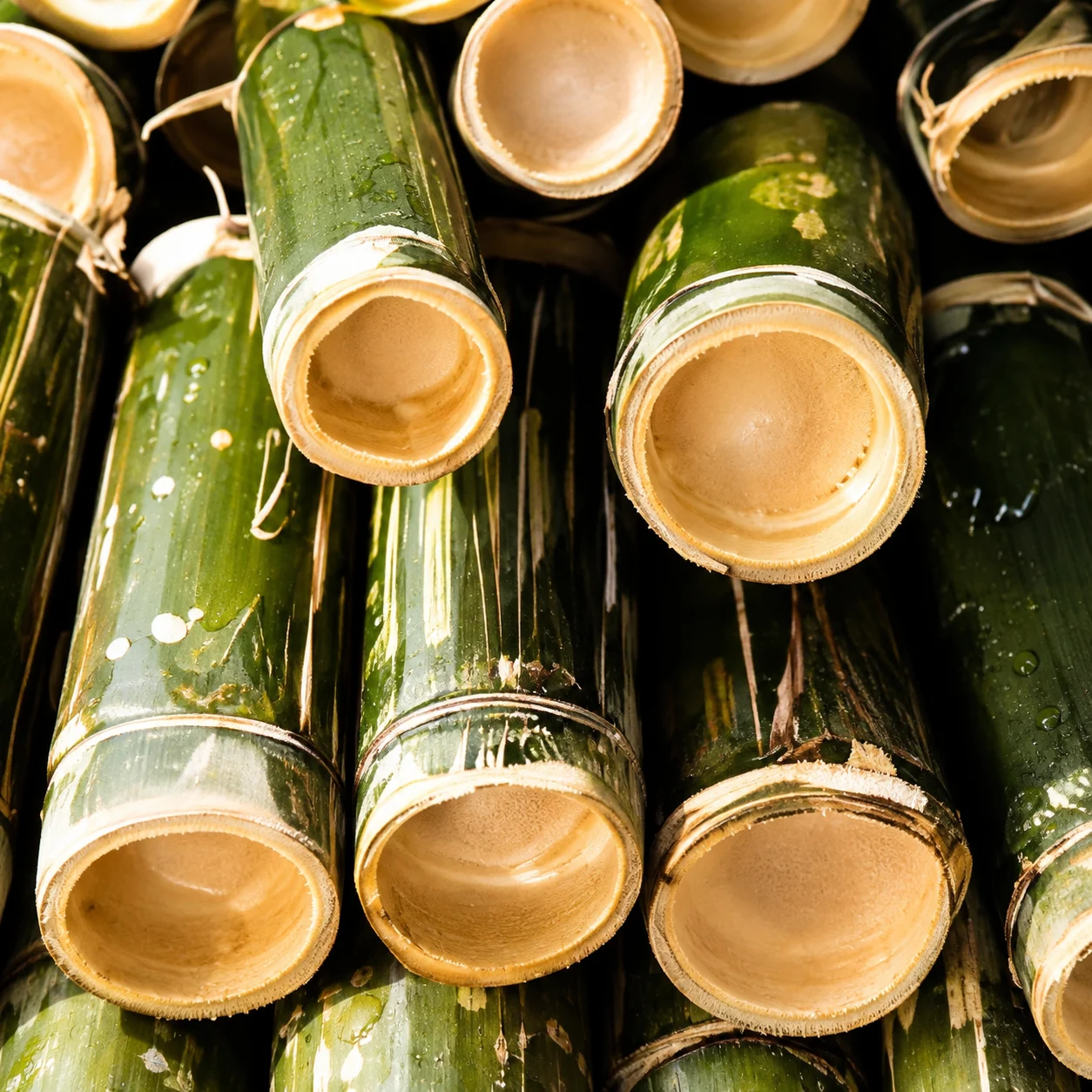
Can formulations include coffee grounds, tea residues, or bamboo fiber?

These plant-derived ingredients are possible formulation development directions. Particle size, moisture content, loading, and effects on processing, strength, and appearance need assessment. Sample trials help identify suitable product applications.

What testing and certification documents can you provide?

We can discuss material testing, compostability certification, and relevant patent documents for the selected material, application, and target market. Documents cover specific products and test conditions. Project evaluation includes checking the certificate holder, scope, and validity.

What information should we prepare for a project evaluation?

Share the target product, dimensions or thickness, current material, processing equipment, performance requirements, capacity, and target market. Existing samples or technical specifications also help plan material selection, sample development, and production trials.
Start with a specific application

Tell us what you are making, how you currently process it, and what you want to improve.

Start Your Project